
 EN
EN
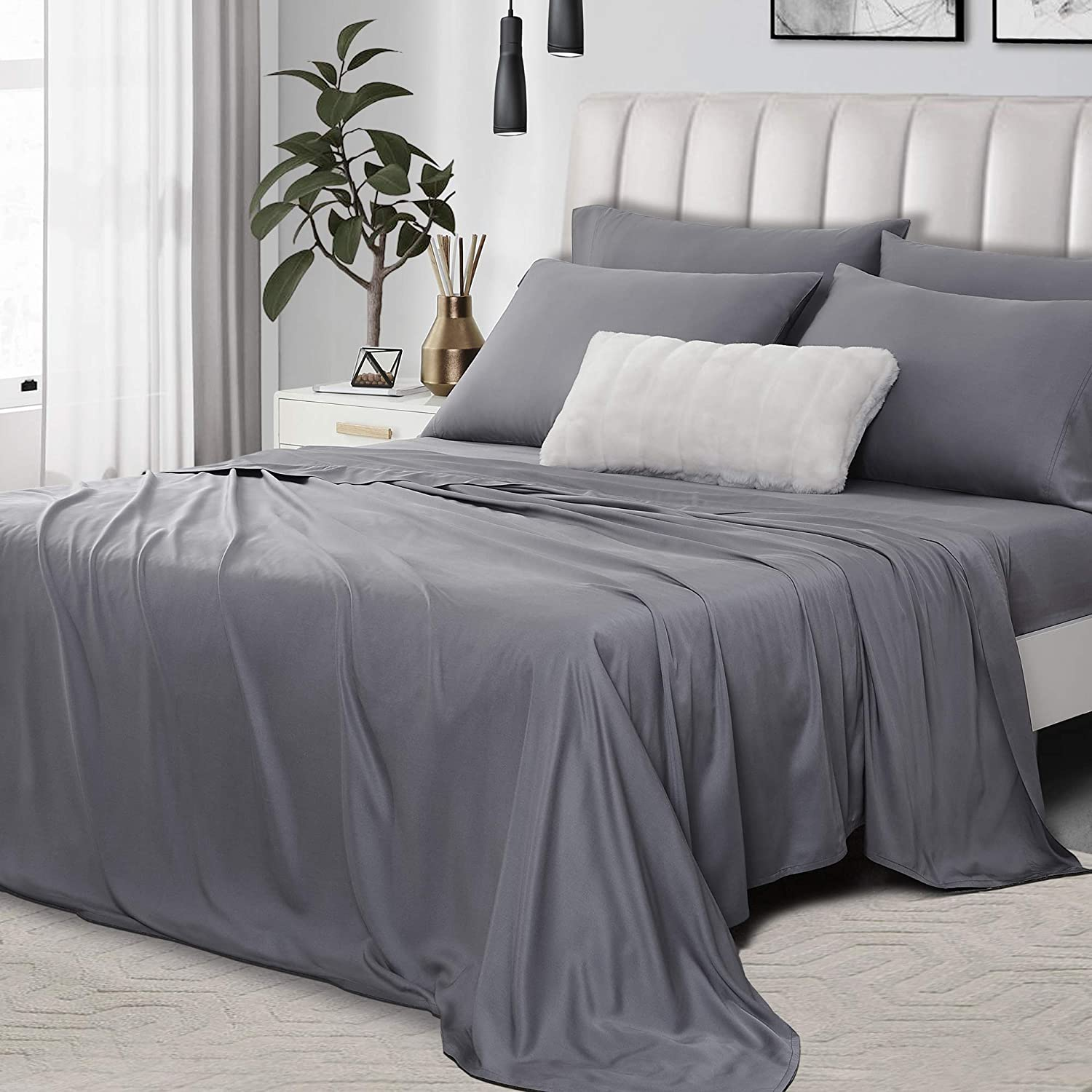
GSM: The Definitive Quality Benchmark for Microfiber Sheets
Why Grams per Square Meter (GSM) Matters More Than Thread Count
Thread count dominates cotton sheet marketing—but it’s misleading for microfiber. Unlike natural fibers, microfiber is made from split synthetic filaments, enabling manufacturers to inflate thread counts by counting individual filaments within a single yarn. This creates an illusion of luxury without enhancing durability or performance.
Grams per square meter, or GSM for short, basically tells us how dense a fabric really is when we measure by weight instead of guessing visually. The higher the GSM number, say 100 or above, the more fibers are packed together tightly so they last longer without getting those annoying little pills or holes from regular washing. Some tests have shown what many people already know instinctively: fabrics under 90 GSM start falling apart much quicker, losing their shape and strength around 40 percent faster after only about 50 laundry sessions compared to the heavier stuff. When looking at synthetic bedding materials specifically, GSM remains pretty much the gold standard for predicting how long something will actually hold up over time. Most manufacturers follow guidelines set forth in standards like ASTM D3776 and ISO 3801 which back up these measurements as reliable indicators of quality.
Optimal GSM Ranges Explained: 90–120 gsm for Lightweight Breathability vs. 130–160 gsm for Luxe Durability
Your ideal GSM depends on climate, sleep habits, and long-term expectations—not marketing claims.
- 90–120 gsm: Best for warm sleepers or humid environments. This lightweight range prioritizes airflow and rapid moisture dispersion, delivering a cool-to-touch, gauzy feel. Though less dense, well-constructed sheets in this range maintain integrity for 2–3 years with proper care.
- 130–160 gsm: Engineered for lasting luxury and resilience. The dense fiber matrix yields a velvety surface that withstands 150+ washes with minimal thinning. Thermal testing shows these sheets retain ~15% more warmth—ideal for cooler rooms but potentially too insulating for hot climates.
Real-world performance data reveals the trade-off clearly: 140+ gsm sheets retain 90% of their original thickness after 100 washes, while 100 gsm variants lose up to 30% density over the same period. Match your GSM to your environment—lower for breathability, higher for durability.
Weave, Finish, and Construction: How Microfiber Sheet Design Shapes Performance
Sateen vs. Percale Weaves in Microfiber: Softness, Sheen, and Airflow Trade-offs
Weave structure—not just fiber type—dictates how microfiber sheets look, feel, and perform.
Sateen uses a four-over-one-under interlacing pattern, producing a smooth, lustrous surface with pronounced softness and drape. It’s ideal for those who prioritize silky comfort and cooler-room warmth retention—but its looser surface structure reduces breathability by 15–20% versus percale.
Percale employs a tight one-over-one-under weave, yielding a crisp, matte finish with superior airflow and even stress distribution during laundering. As documented in Textile Research Journal (2022), this symmetrical construction enhances tensile strength and resistance to distortion over time—making percale especially durable for frequent washing.
Brushed and Double-Brushed Finishes: Enhancing Comfort Without Sacrificing Longevity
Finishing techniques refine texture and function—but only when applied to appropriate base fabrics.
When we brush microfiber fabrics, it lifts those tiny fibers up to form that nice soft layer that traps warmth. Double brushing takes this even further, making things feel extra plush. But there's a catch. The fabric needs to be pretty thick underneath, at least around 130 grams per square meter or so, otherwise it starts wearing down too fast. What makes today's brushing techniques work so well is how they hold onto the integrity of those fibers. Tests in labs indicate that good quality sheets can still handle quite a bit of stress, maintaining about 95% of their original strength even after being washed fifty times. Getting this right means consumers get both that comforting touch and durability that lasts, which is exactly what separates really good microfiber products from the rest out there on the market.
Real-World Performance of Microfiber Sheets: Heat, Moisture, and Static Behavior
Microfiber’s performance hinges on how its synthetic structure interacts with body heat, sweat, and ambient humidity.
Microfiber that's tightly woven works pretty well as insulation against cold, keeping our bodies warm when needed most. Great for those chilly winter nights or if sleeping in a room with drafts, though folks who tend to get hot might find themselves sweating under these covers. Better quality options address this issue with some clever design touches. The brushed surface helps move air around the skin better, making it feel less stuffy. And look for something around 100 to 120 grams per square meter – not too thick, not too thin – so it keeps us comfortable without trapping too much heat. Most people find this sweet spot between warmth and breathability makes all the difference during those tricky temperature swings we often experience at night.
For moisture management, ultra-fine polyester or nylon filaments leverage capillary action to wick sweat rapidly away from the skin. However, lower-density sheets (<90 gsm) may struggle to fully evaporate moisture, leaving residual dampness.
Static buildup remains a known limitation of polyester-based microfiber in low-humidity environments. While not harmful, it can cause mild discomfort or lint attraction. Choosing blends with trace conductive fibers—or using dryer balls instead of fabric softeners—helps minimize this effect without sacrificing performance.
Durability and Care: Maximizing the Lifespan of Your Microfiber Sheets
Wash Resistance, Pilling Control, and Seam Reinforcement Across 100+ Cycles
Microfiber sheets can last 2–3 years—or longer—with informed care. Three elements determine real-world resilience:
- Pilling resistance: Caused by friction during washing and nightly use, pilling is minimized by higher base density (130+ gsm) and precision weaving. Double-brushed finishes increase vulnerability unless anchored in a robust substrate.
- Wash protocol: Always use cold water and a pH-neutral detergent. Hot water degrades synthetic polymers; fabric softeners coat fibers, impairing wicking and accelerating wear.
- Seam reinforcement: Look for double-stitched or serged seams—especially at corners and hems—designed to hold through 100+ wash cycles. These details reflect manufacturing rigor, not just aesthetics.
Air drying is optimal for preserving elasticity and fiber alignment. If machine-drying, select low heat only: temperatures above 130°F risk melting microfibers, leading to irreversible thinning and shrinkage. Consistent, gentle handling transforms microfiber from disposable bedding into a long-term investment.
FAQ Section
What is GSM in microfiber sheets?
GSM stands for grams per square meter and measures the density of the fabric. It's used to determine microfiber sheet quality and durability.
Why is GSM more important than thread count for microfiber sheets?
Unlike natural fibers, microfiber thread count can be misleading due to the use of split synthetic filaments. GSM provides a clearer measure of fabric density and quality.
What GSM range should I choose for my microfiber sheets?
Choose 90-120 gsm for lightweight breathability in warm climates, and 130-160 gsm for durability and warmth in cooler environments.
How should I care for my microfiber sheets to maximize their lifespan?
Wash with cold water and a pH-neutral detergent, avoid fabric softeners, and air dry whenever possible or use low heat settings to prevent damage.
Table of Contents
- GSM: The Definitive Quality Benchmark for Microfiber Sheets
- Weave, Finish, and Construction: How Microfiber Sheet Design Shapes Performance
- Real-World Performance of Microfiber Sheets: Heat, Moisture, and Static Behavior
- Durability and Care: Maximizing the Lifespan of Your Microfiber Sheets
- FAQ Section