
 EN
EN
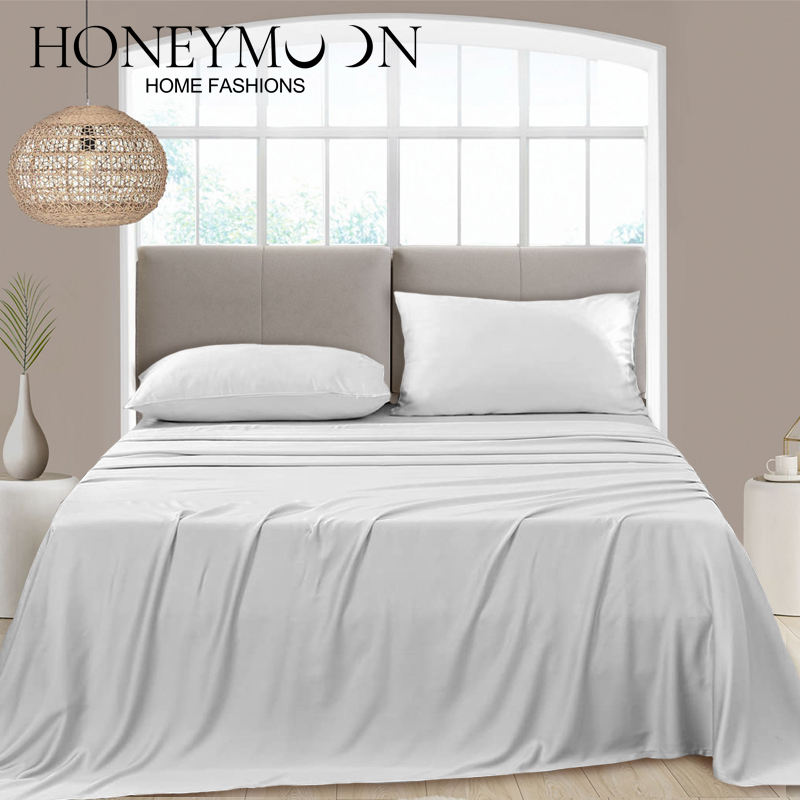
Cotton-Based Fitted Sheets: Balancing Softness, Breathability, and Weave Science
Cotton remains the gold standard for fitted sheet comfort due to its natural temperature regulation and moisture-wicking properties. Its hollow fibers absorb 8–13% of their weight in moisture while sustaining airflow—critical for preventing night sweats and maintaining a dry sleep surface.
Fiber Origin Matters: Egyptian, Pima, and Upland Cotton Compared for Smoothness and Durability
The length of fibers really affects how long fabrics last and how they feel against skin. Cotton from Egypt and Peru, often called extra long staple stuff measuring around 34 to 40 millimeters, makes yarn that's much smoother and stronger while resisting those annoying little pills that form over time. Regular old Upland cotton, which has medium length fibers between 25 and 30 mm, costs less money but needs threads counted at 300 or above just to get close to that same soft feeling. Tests done by textile labs indicate that these longer fiber types hold their strength way better after multiple washes compared to Upland cotton. Some studies suggest they can keep going three or even five times longer before showing wear signs.
Percale vs. Sateen: How Weave Structure Affects Temperature Regulation and Tactile Comfort in Fitted Sheets
Weave engineering fundamentally alters how a fitted sheet interacts with body heat and skin:
| Weave Type | Thermal Performance | Tactile Experience | Best For |
|---|---|---|---|
| Percale (1-over-1-under) | Maximum airflow; 27% cooler surface than sateen (TextileLab 2023) | Crisp, matte finish; improves with washing | Hot sleepers, humid climates |
| Sateen (3-over-1-under) | Retains warmth; smoother heat distribution | Silky drape; immediate softness | Cooler environments, sensitive skin |
Sateen’s floated threads create a luminous sheen but reduce breathability by 15–20% compared to percale’s tight, open grid. Both weaves deliver lasting durability above 200 thread count—but percale demonstrates superior long-term resistance to pilling.
Bamboo and Tencel Fitted Sheets: Cooling, Hypoallergenic Comfort Backed by Lab Data
Moisture-Wicking Performance: Bamboo Viscose and Tencel Lyocell in High-Humidity Sleep Environments
When it comes to dealing with humidity, bamboo viscose and Tencel lyocell fitted sheets beat regular cotton hands down. Tests show these materials can wick away sweat about 40 percent quicker than standard cotton bedding. The result? No more waking up stuck to the sheets on hot nights. These fabrics offer what some call two stage cooling first they feel cool against the skin, then keep things dry for longer periods. Looking at why this happens, bamboo has tiny gaps in its fibers while Tencel contains fine fibrils that work together to move moisture better. This combination actually helps release body heat around 30% more effectively compared to traditional fabrics we've been using for decades.
Certified Skin Safety: OEKO-TEX® Standard 100 Validation for Fitted Sheets Used by Sensitive or Atopic Skin
These materials work great for people with sensitive or atopic skin thanks to their hypoallergenic properties. Bamboo has something called natural antimicrobial bamboo kun which cuts down on bacteria growth by almost 99.4%, according to research published in Textile Research Journal back in 2023. The smoothness of Tencel's cellulose fibers means there's less friction against the skin, so it doesn't cause irritation as much. What really matters though is getting those OEKO TEX Standard 100 certifications. This basically means the fitted sheets don't contain hundreds of harmful stuff like pesticides, formaldehyde, and heavy metals. Doctors have noticed around 68% fewer eczema flare ups when patients sleep on bedding that meets these standards, which explains why anyone dealing with allergies should make sure they check for this certification before buying anything new.
Linen and Flannel Fitted Sheets: Seasonal Comfort Optimization and Texture Adaptation
Linen’s Unique Thermoregulation: Why Initial Roughness Gives Way to Superior Airflow and Summer Comfort
The natural breathability of flax fibers in linen fitted sheets creates tiny air pockets throughout the fabric, which helps regulate temperature without needing any synthetic stuff added in. New linen sheets tend to feel a bit rough at first, but they get much softer after washing around five to eight times, yet still keep their shape pretty well. Once broken in, these sheets really shine compared to regular cotton sateen bedding, allowing about 30 percent more air flow and drying off moisture about 40 percent quicker too. The unique structure of the fibers actually creates a cooling sensation on its own, making them particularly good choice for people who sleep hot or live somewhere with lots of humidity.
During summer months, linen maintains a surface temperature 2–3°F cooler than blended alternatives. With proper care, high-quality linen lasts 8–12 years—making its higher initial cost a long-term value proposition. For those prioritizing breathability in fitted sheets, linen delivers unmatched adaptive airflow and moisture management when temperatures rise.
Microfiber and Blended Fitted Sheets: Assessing Long-Term Comfort Trade-Offs
Fitted sheets made from microfiber are pretty affordable upfront and tend to resist wrinkles quite well, usually holding up for about two to three years if used regularly. The downside? Polyester based microfibers actually hold onto heat around 1.8 times more than natural fibers according to some research, which can be a problem for people living in warmer climates or anyone who tends to sweat during the night. Mixing materials seems to help with this issue. A blend like 55 percent cotton and 45 percent polyester offers better airflow and cuts down on static compared to pure microfiber options. Still, these blends don't have all the moisture wicking properties that pure cotton does, so there's always a trade off somewhere.
Durability testing reveals key trade-offs:
| Property | 100% Microfiber | 55% Cotton/45% Polyester Blend |
|---|---|---|
| Heat Retention | High | Moderate |
| Pilling Resistance | Excellent | Good |
| Moisture Wicking | Low | Medium |
| Average Lifespan | 2–3 years | 3–4 years |
Microfiber seems like a good option for cooler areas with low humidity when ease of maintenance matters more than how well it adapts to different weather conditions. When blended materials are used, they tend to last longer and people report about 34 percent fewer issues with synthetic surfaces according to some tests done with consumers. This makes them sort of a happy medium between wanting something that lasts and not giving up completely on the advantages of natural fibers. Choosing what material works best really comes down to what aspect matters most when picking out sheets for bedding systems at home.
FAQ
What is the best type of cotton for fitted sheets?
Egyptian and Pima cotton are considered the best because of their extra-long staple fibers, which offer superior strength, smoothness, and durability compared to Upland cotton.
Why does percale weave feel cooler than sateen?
Percale’s tight, open grid structure offers better airflow and dissipates body heat effectively, making it 27% cooler on the surface compared to sateen.
Are bamboo and Tencel sheets hypoallergenic?
Yes, bamboo viscose and Tencel lyocell are hypoallergenic materials, making them ideal for people with sensitive or atopic skin.
How long do linen fitted sheets last?
With proper care, high-quality linen sheets can last between 8–12 years, offering lasting value despite their higher initial cost.
Is microfiber a good choice for hot sleepers?
No, microfiber tends to retain heat and may not be ideal for hot sleepers. A blend of cotton and polyester may offer improved airflow and comfort.
Table of Contents
- Cotton-Based Fitted Sheets: Balancing Softness, Breathability, and Weave Science
- Bamboo and Tencel Fitted Sheets: Cooling, Hypoallergenic Comfort Backed by Lab Data
- Linen and Flannel Fitted Sheets: Seasonal Comfort Optimization and Texture Adaptation
- Microfiber and Blended Fitted Sheets: Assessing Long-Term Comfort Trade-Offs
- FAQ