
 EN
Bamboo Cotton Sheets: Lead Time Guide
For an overseas buyer, bamboo cotton sheets are not a one-line sourcing decision. The material name opens the discussion, but the delivery plan is shaped by the approved construction, size set, colour direction, packing, sample sign-off, and inspection method. As a B2B sourcing planner, I would start with the intended retail or hospitality use and turn it into a written brief before asking for a production schedule.
The useful shift is from asking, “How quickly can bamboo cotton sheets arrive?” to asking, “What must be confirmed before production can begin?” That sounds technical, but it makes lead-time comparisons more reliable. A rush estimate given before the details are fixed is not the same as a schedule attached to an approved specification.
Start with the buying brief, not the delivery date
Buyers often use bamboo cotton sheets as a broad search term for a range of compositions and constructions. A fabric label alone does not describe the finished item. Before comparing lead time, define the fibre composition to be used, weave or knit construction, weight if relevant, finish, fitted or flat format, dimensions, set pieces, colours, labels, and packing. If a sustainability-related claim is important, request product-specific documentation before placing it on packaging or marketing material.
For bamboo cotton sheets, the market and bed dimensions should be stated in measurements, not only terms such as queen or king. Regional labels vary. Fitted items also need mattress-depth information. These points may look minor at the quotation stage, yet a late change in pocket depth, pillowcase count, or carton marking can push a shipment plan back into review.
Map lead time as a sequence of stages
A dependable bamboo cotton sheets timeline normally has several stages. The exact duration must be confirmed with the supplier for the chosen specification, but the sequence is useful for planning:
- Brief review: confirm the target market, product format, size chart, estimated order quantity, and required documents.
- Material and colour alignment: agree the composition wording, hand-feel reference, shade standard, and any trim or label details.
- Sample approval: review a sample against the written requirements and record any revisions.
- Production scheduling: place bamboo cotton sheets into a confirmed production window only after the commercial and technical inputs are settled.
- Inspection and packing release: check the agreed points before final shipment handover.
Do not collapse these stages into a single factory lead-time number. A change after sample approval can affect material booking, cutting, sewing, packing artwork, or inspection timing. The better fit depends on how stable the brief is, so confirm which decisions are locked before treating an estimate as a delivery commitment.
Choose the sheet specification that matches the channel
For a retailer, bamboo cotton sheets may need a coordinated story across size, colour, set contents, and shelf or ecommerce presentation. For hospitality, repeatability, laundering expectations, and size control may move higher in the brief. For a seasonal collection, colour timing and packaging can be as important as the sheet itself. These are planning questions, not universal performance claims.
Use a like-for-like comparison when considering bamboo cotton sheets alongside supima cotton sheets. Ask for confirmed composition, construction, dimensions, care label, and pack-out for each option. Neither material description alone establishes softness, cooling, durability, or a particular environmental outcome. The specification to confirm is the actual product construction; its practical meaning depends on the intended market and care routine.
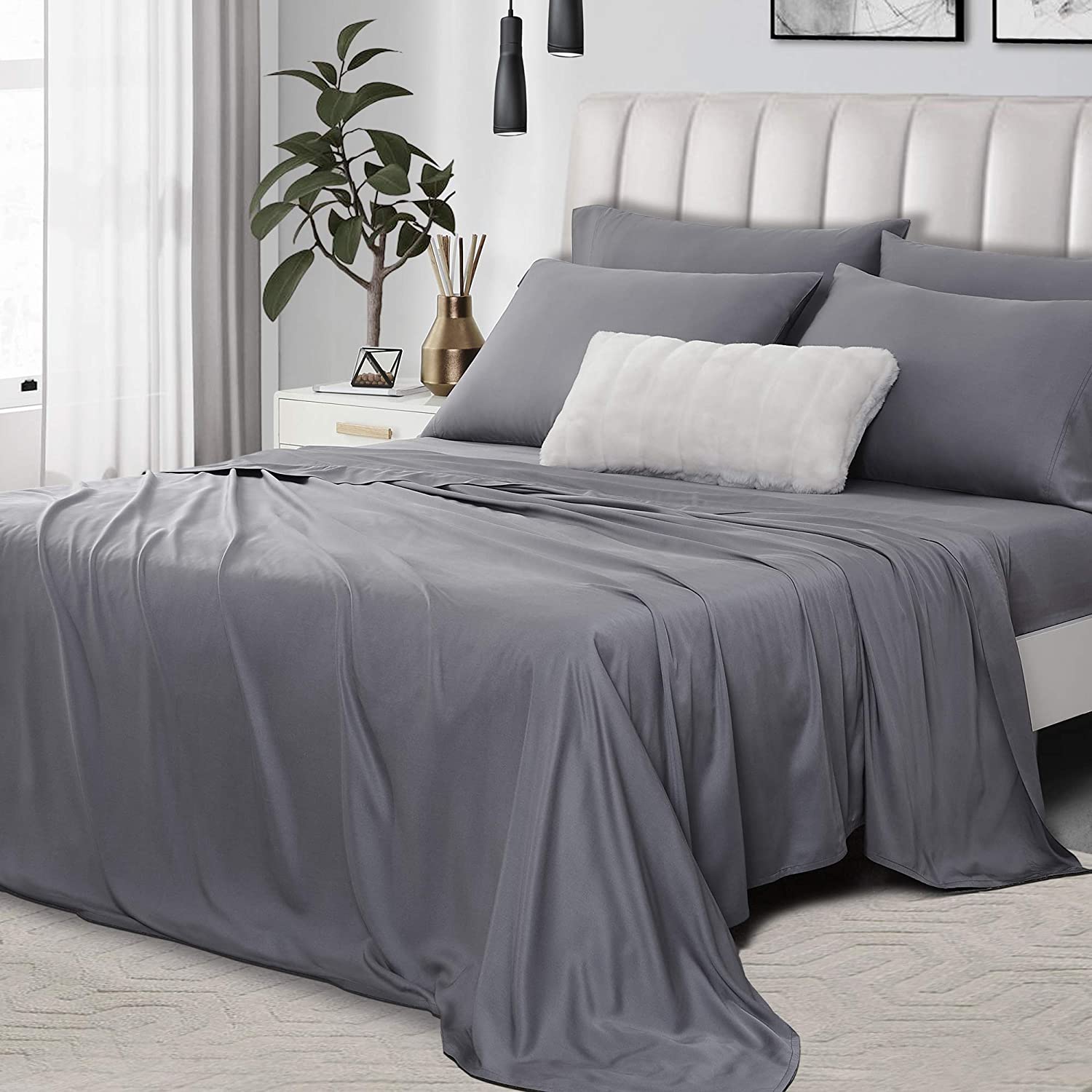
The CMS product catalogue includes a bamboo sateen sheet listing. Its listing title illustrates why a buyer should verify each stated construction, set component, and size directly in the approved specification rather than generalizing it to all bamboo cotton sheets.
Put MOQ and customization questions into the RFQ
MOQ and customization are often the points that change a bamboo cotton sheets schedule. Instead of assuming a supplier can make every option at one quantity, include the requested fabric route, colour count, sizes per colour, fitted-sheet depth, embroidery or label request, packaging format, and destination market in the RFQ. Then ask which elements affect minimums, sample work, and the production sequence. A separate prewashed microfiber sheet-set listing offers a useful contrast: its CMS title describes a different material route, so it should not be treated as a substitute specification for bamboo cotton sheets.
A short brief saves time, but it needs enough detail to be actionable. For bamboo cotton sheets, separate confirmed requirements from options that still need supplier confirmation. This prevents a quotation for one construction from being evaluated as though it covers another. It also gives the buyer a clear audit trail when merchandising, procurement, and quality teams review the same order.
Build quality acceptance into the plan
Quality review should be scheduled before the cargo handover, not added after the delivery date is announced. For bamboo cotton sheets, agree what will be checked: dimensions and tolerance, set-piece count, appearance, stitching, shade reference, label information, packing, and carton marks. ISO 2859-1:2026 describes acceptance-sampling procedures for inspection by attributes; it can be a useful common reference when buyer and supplier agree on a suitable sampling plan, but it is not a substitute for product-specific acceptance criteria.
A practical inspection sheet for bamboo cotton sheets also records the approved sample version and the date of any change. That makes it easier to distinguish a genuine production issue from an expectation that was not included in the brief. If third-party inspection is required, state the booking window and report format early enough for the production plan to accommodate it.
Care and seasonal assortment planning
Care guidance belongs in the selection phase because it affects channel fit, packaging information, and customer expectations. For bamboo cotton sheets, use the approved care label for the selected construction; a general material guide cannot replace it. The same discipline applies to themed products such as christmas flannel sheets: seasonal design, fabric construction, and delivery cut-off should be reviewed together rather than treated as separate decisions.
Bulk-buying checklist for bamboo cotton sheets
- State the target market and dimensions in a measurement chart.
- Confirm the composition, construction, and set contents in writing.
- Specify colour references, labels, pack-out, and carton marks.
- Request a sample and document approval or revisions.
- Ask which specifications affect MOQ, production scheduling, and inspection timing.
- Agree the quality checkpoints, sampling method if used, and shipment release process.
- Keep care instructions tied to the approved product, not the keyword.
When bamboo cotton sheets are sourced through this sequence, the conversation moves from a vague delivery request to a controlled buying plan. HENIEMO serves global home-textile buyers; use the enquiry stage to share the complete brief and request confirmation of the options, MOQ, quality process, and current schedule relevant to your order.