
 EN
Bamboo Cotton Bed Sheets: Sample Approval Guide
For an overseas buyer, bamboo cotton bed sheets are not a one-line fabric decision. They are a range-planning decision: what will be sold, in which market, at which size points, with which care instructions, and with what evidence behind the label? A polished swatch may open the conversation; it does not replace a production approval. This guide turns bamboo cotton bed sheets into a practical sample-review process for importers, retailers, and procurement teams.
Start with the buying brief, not the fabric name
The phrase bamboo cotton bed sheets can describe more than one construction or fiber story. Before comparing hand feel or styling, ask the supplier to state the exact fiber composition, the generic fiber name used on the label, the weave or finish, and whether each component in the set uses the same fabric. The practical question is straightforward: does the approved sample match the product, packaging, and selling language planned for the destination market?
For U.S.-bound textile goods, fiber content needs to reflect the actual composition. Treat that as a useful discipline in every market: align the specification sheet, sewn-in label, carton artwork, and product page before bulk production. If a sustainability-related statement is proposed, request documentation for that specific statement rather than assuming that a bamboo reference establishes its scope.
Set the criteria for bamboo cotton bed sheets
A buyer comparing bamboo cotton bed sheets should score samples against the same criteria. This avoids choosing one sample for appearance and another for a different, unspoken requirement.
| Approval area | What to confirm on the sample | What to record for production |
|---|---|---|
| Composition | Declared fiber content, component consistency, and labeling wording | Approved composition statement and supporting document list |
| Construction | Weave, fabric weight if supplied, stitching, hems, elastic, and closure details | Signed sample comments and measurement points |
| Fit | Flat-sheet, fitted-sheet, and pillowcase dimensions; mattress depth where relevant | Target-market size chart and tolerances to confirm |
| Appearance | Color, print placement, sheen, texture, and set coordination | Approved color reference and packaging artwork version |
| Care | Proposed wash, dry, and ironing instructions | Final care-label text for the exact construction |
This is also where luxury bed sheets should be handled carefully. “Luxury” may be a retail positioning term, not a measurable specification. Use it only after the buyer has defined the intended price tier, finish expectation, packaging presentation, and acceptable quality standard. The sample then has a job: show whether the requested finish and presentation are repeatable, not merely attractive once.
Compare material, size, and style like a sourcing team
When evaluating bamboo cotton bed sheets, separate fabric identity from product usability. A sample may have a smooth surface, while the final decision still depends on dimension accuracy, fitted-pocket construction, laundering requirements, and the shopper profile. For warmer-market assortment planning, buyers may prioritize a lighter visual and hand-feel direction; for hospitality or repeat-use channels, the review may focus more strongly on the approved care process and replacement consistency. Neither priority is universal.
Use percale cotton sheets as a comparison point only when the construction, dimensions, and care regime are documented. Percale is not a shortcut for judging every other sheet. Ask whether the alternative is being compared on weave, composition, finish, or retail role; then test those matched criteria. The same discipline applies when a buyer wants bamboo cotton bed sheets in solid colors, printed sets, or a coordinated collection.
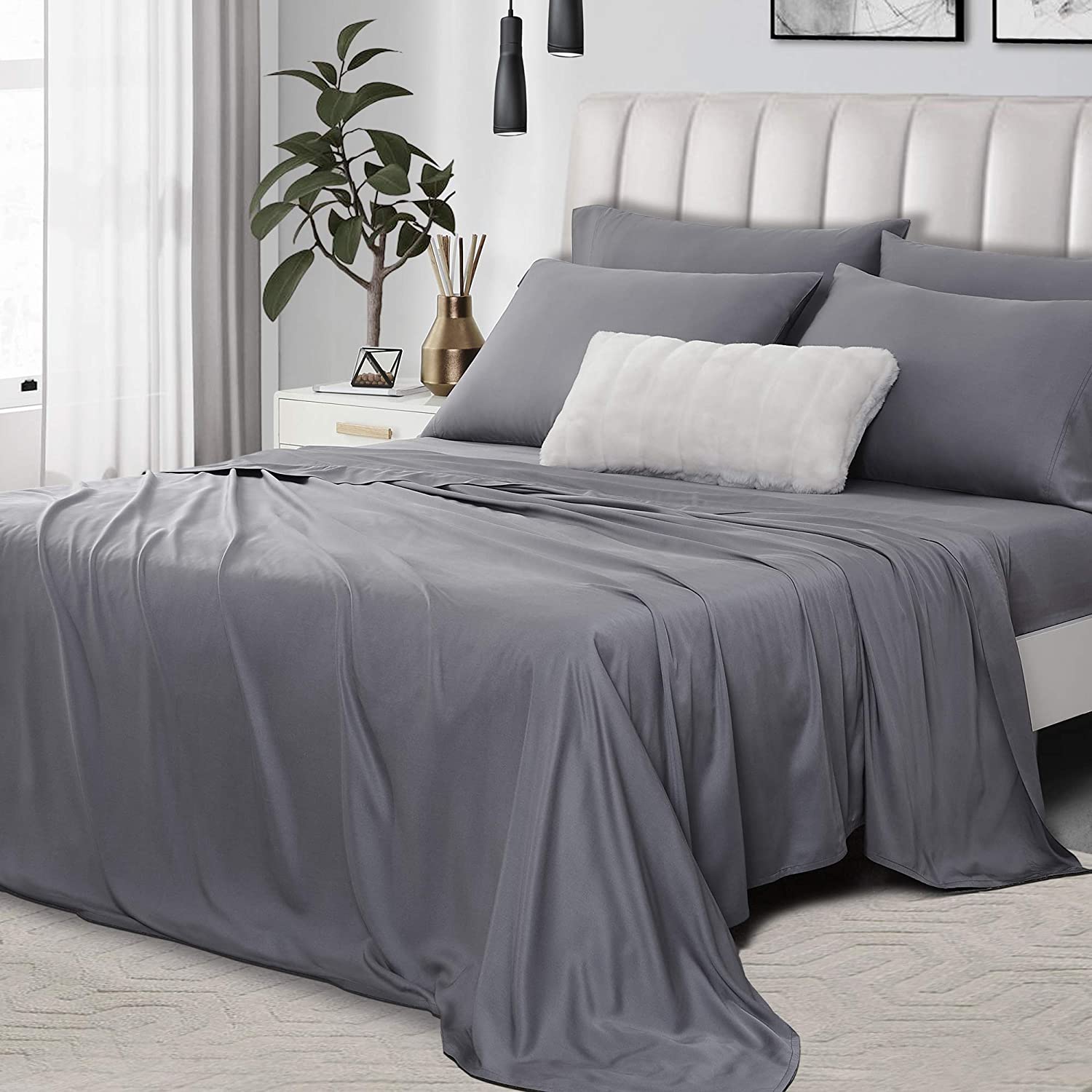
Use product pages as starting points, not product proof
HENIEMO’s existing catalog gives buyers a way to start an internal product conversation. For example, review the bamboo sateen sheet listing alongside the prewashed sheet-set listing to clarify the product role you want to source.
Those pages are not a substitute for a product-specific approval file. Confirm the current composition, set components, dimensions, care instructions, available custom options, and applicable evidence directly with the supplier. The purpose of the comparison is to sharpen the brief for bamboo cotton bed sheets, not to infer unlisted specifications.
Turn the sample into an acceptance protocol
Before signing off bamboo cotton bed sheets, make the sample review visible to everyone who will approve the order. Photograph the full set and close details; measure each component; record color under the agreed viewing conditions; inspect seams, hems, elastic, and labels; then log every change request against a version number. If the buyer expects a private label, custom color, special pack, or altered component mix, place that requirement in the written brief and request confirmation of what can be supplied.
Bulk-order questions to close before production
- What is the minimum order quantity for the approved size, color, and pack configuration?
- What sample revision, pre-production sample, or artwork approval is required before production begins?
- What lead-time range applies after all materials, labels, and artwork are approved?
- Which measurements, visual points, and label details form the final inspection checklist?
- What carton marks, barcodes, and packing quantities must match the buyer’s channel?
These questions matter because a low unit quotation does not define the full buying requirement. MOQ, component mix, packing complexity, and approval timing can change the operating plan. A clear brief makes it easier for a supplier to distinguish confirmed requirements from options that still need discussion.
Plan care and reorder readiness early
Care is part of selection, not a line added after launch. For bamboo cotton bed sheets, ask for the approved care instructions that apply to the actual fabric and finish, then assess whether that routine fits the intended customer and channel. Do not turn general fabric advice into a product promise. The same applies to color retention, softness, cooling, or durability language: use only what the approved specification and evidence support.
For replenishment planning, retain the final signed sample, measurement sheet, label artwork, color reference, and packing record. That file gives the next order a stable starting point and helps a buying team compare revised samples without relying on memory.
Final buyer checklist
The practical route to approving bamboo cotton bed sheets is sequential: define the target market and use case; verify composition and labeling; compare dimensions and construction; approve color, style, and care details; then confirm MOQ, customization scope, packing, inspection points, and lead time. HENIEMO serves overseas buyers and home-textile procurement needs, so an inquiry that includes these details is more useful than a request based on a fabric name alone.
Bring the sample, written specification, and commercial brief into the same approval conversation. That approach gives buyers a clearer basis for deciding whether the proposed bamboo cotton bed sheets fit the intended assortment and whether the bulk order can be reviewed against the same standard.