
 EN
Bamboo Sheets For Hot Sleepers: Merchandising Guide
For a bedding buyer, bamboo sheets for hot sleepers are not a single claim or a single fabric decision. They are a range-planning question: which shoppers are being served, what can the item label substantiate, how must it fit, and how will the assortment be maintained after sale? From a B2B sourcing planner’s perspective, start with the sleep or retail use case, then align the specification and supplier questions.
Demand for bamboo sheets for hot sleepers often signals an expectation around warm rooms, humid seasons, or sleepers who prefer a lighter-feeling bed. That expectation should guide merchandising, but it should not replace product review. A material name alone does not establish composition, construction, finish, durability, moisture behavior, or care requirements. Build the range around information a buyer can check.
Turn a hot-sleeper request into a merchandising brief
The first sourcing question is not whether bamboo sheets for hot sleepers sound appealing; it is whether the brief defines the market, bed sizes, set components, fabric declaration, intended season, pack format, and required documents. For cool sheets for summer, separate the retail message from the confirmed product facts. A warmer-climate collection may need breathable-feel positioning, but the final description should be approved against the item’s actual specification and test or certificate scope.
- Shopper and channel: Specify online retail, supermarket, hospitality, or another channel, plus the climate and price-tier intent.
- Product role: Decide whether bamboo sheets for hot sleepers are a hero seasonal set, a year-round alternative, or an add-on to a wider bedding collection.
- Specification baseline: Request fiber composition, weave or construction, finished dimensions, fitted-pocket depth, included pieces, colorway, care label, and packing details.
- Claim boundary: Treat “cooling,” “breathable,” “bamboo,” and any environmental or certification wording as claims requiring item-level evidence.
Compare material, construction, fit, and care together
Material is important, but it is not the whole story. For bamboo sheets for hot sleepers, compare the declared fiber content and product construction alongside the hand feel sought by the target shopper. Ask the supplier to identify the precise textile description that will appear on labels and sales materials. The FTC notes that sellers are responsible for correct textile-fiber labeling, so a buyer should approve the fiber declaration before artwork, listings, or cartons are finalized.
Fit is equally commercial. Fitted sheets for adjustable beds require more than a nominal queen or king label: collect mattress width, length, depth, corner construction, and the movement expected during adjustment. If the range spans several markets, use measurements in the specification sheet because regional bed-size names can differ. A soft hand or a summer story cannot compensate for a fitted sheet that is not compatible with the intended mattress profile.
| Decision area | What to request | Why it matters |
|---|---|---|
| Fiber declaration | Approved composition and label wording | Lets the buyer review material claims accurately. |
| Set definition | Flat sheet, fitted sheet, pillowcase count, and dimensions | Prevents imagery and item descriptions from implying unconfirmed pieces. |
| Fitted construction | Pocket depth, elastic treatment, and mattress compatibility | Supports a practical adjustable-bed or deep-mattress assortment check. |
| Care | Approved wash, dry, and ironing instructions | Connects the range promise to the customer’s routine. |
| Evidence | Current certificates, test reports, or claim approvals where applicable | Keeps product copy within verified scope. |
Use matched products as review starting points
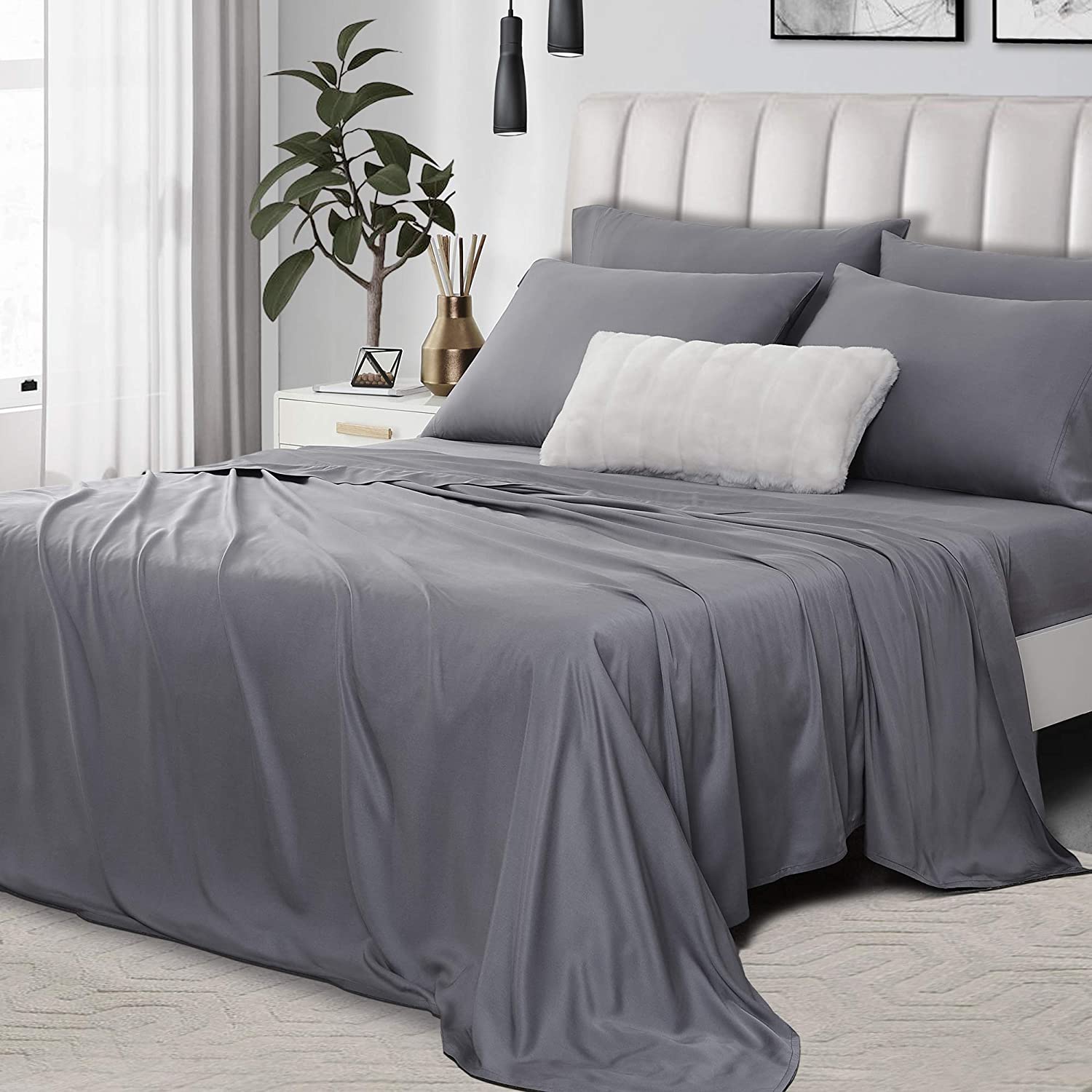
The verified product catalog includes a bamboo sateen sheet set and a prewashed sheet-set option. These links are useful catalog starting points for bamboo sheets for hot sleepers, not interchangeable proof of performance. Confirm the exact SKU, composition, components, available sizes, care instruction, and imagery before associating either item with a seasonal claim or buyer brief.
For bamboo sheets for hot sleepers, that distinction matters. A catalog title may communicate a category or merchandising direction, while the buyer’s approved specification controls what can be sold, labeled, and repeated in marketing. If a request includes OEKO-TEX language, obtain the valid certificate for the exact finished article and verify its scope; do not transfer a certification claim from one product to another.
Customization, MOQ, and quality acceptance
Customization should be framed as a confirmation workflow, not a promise. When developing bamboo sheets for hot sleepers, ask which changes are required: size, color, print, label, package, set configuration, or market-specific fiber wording. Then request the supplier’s response on feasibility, sample path, MOQ, cost drivers, and production timing. The useful shift is from asking for a generic custom option to defining a reviewable assortment brief.
Before a bulk order, make the acceptance criteria visible. A practical checklist for bamboo sheets for hot sleepers includes approved fabric and color references, measurement tolerances, set-piece counts, stitching and elastic inspection points, label and barcode checks, carton markings, packing samples, and any evidence needed for claims. The inspection plan should identify the sample size, the party that approves it, and what happens if a point is outside the agreed requirement.
Plan care, lead time, and bulk ordering without assumptions
Care guidance belongs in the buying decision, especially for bamboo sheets for hot sleepers. Use the item’s approved care label as the source of truth. The buyer can then decide whether the wash and drying routine suits the intended channel and shopper. Avoid generalizing care advice from a material name because finishing, blend, construction, and label instructions may differ between products.
Lead time and MOQ also need written confirmation for each proposed version of bamboo sheets for hot sleepers. Compare ready samples, custom color development, packaging approval, material availability, inspection scheduling, and shipment planning as separate milestones. This is more useful than presenting an unverified lead-time figure. For a summer launch, work backward from the target on-shelf date and leave room for sample approval and corrective actions.
Bulk-buying comparison checklist
- Define the channel, sleeper scenario, market, and seasonal role for bamboo sheets for hot sleepers.
- Match composition, construction, dimensions, fitted-sheet depth, and set components before comparing quotations.
- Use cool sheets for summer as a merchandising direction only after approved product facts support the relevant wording.
- For fitted sheets for adjustable beds, confirm mattress measurements and movement compatibility rather than relying on bed-size names.
- Request samples, current documents, packaging information, MOQ, timing, and QC acceptance criteria in one RFQ.
- Approve product-page claims only after the exact SKU and evidence scope have been checked.
Well-planned bamboo sheets for hot sleepers can give buyers a clear seasonal assortment direction, provided the final decision rests on verified specification, fit, care, and documentation. HENIEMO’s home-textile catalog can support the product review stage; the next step is a complete RFQ that makes every required confirmation visible.