
 EN
EN
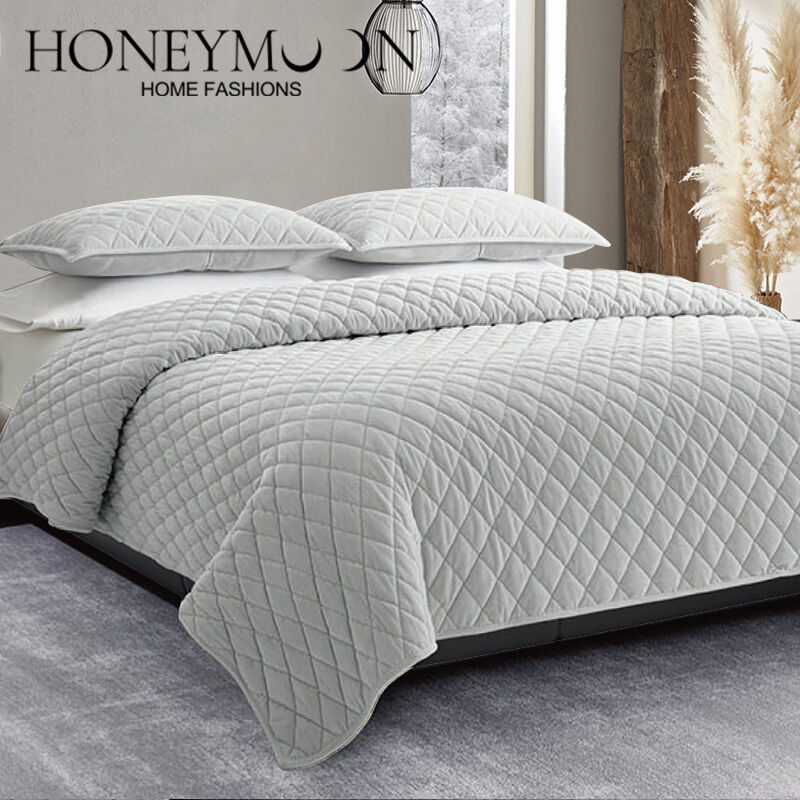
Pillow Sham Sizing: Achieve Fullness, Proportion, and Professional-Looking Fit
Standard, Queen, King, and Euro Pillow Sham Dimensions—And Why Exact Measurements Aren’t Enough
Most pillow shams come in standard sizes Standard (20 by 26 inches), Queen (20 by 30), King (20 by 36), and Euro style at 26 by 26 but just matching those numbers doesn't always mean looking good on the bed. The way fabrics hang and how inserts get squished changes everything. Take linen for instance it tends to loosen about 10 percent after being washed. And those fancy high loft down inserts? They shrink almost 30 percent every night! That's why even when measurements are spot on, pillows can look flat once they start settling into place. Getting the right look means thinking ahead about these little details so all the different layers of bedding still look balanced and nice together.
| Sham Type | Dimensions (W×H) | Common Fit Issues |
|---|---|---|
| Standard | 20" × 26" | Corner gaps, front sagging |
| Euro | 26" × 26" | Center droop in quilting |
| King | 20" × 36" | Edge buckling with movement |
The 1″–2″ Insert Oversize Rule: How Strategic Sizing Prevents Gaps and Enhances Visual Volume
When choosing pillow inserts, go for ones that are about an inch or two bigger than the sham in all directions. Take standard shams as an example they usually measure around 20 inches by 26 inches, so a good match would be something closer to 21 by 27 inches. This extra space makes sure the corners get filled out properly without any shifting or gaps forming between the insert and the cover. What happens when there's more volume inside? Well, it helps define those decorative edges better and also works against the inevitable settling that occurs over time. Some interior design research actually shows interesting results too. Inserts that stick out about 1.5 inches from the sham size cut down on how often people need to fluff them up by roughly three quarters. Plus, these oversized inserts make pillows look fuller and more luxurious just by appearance alone, turning what might otherwise be plain bedding into something much more put together and elegant.
Pillow Sham vs Pillowcase: Key Functional and Design Differences That Impact Use and Aesthetics
Purpose, Placement, and Protection: When to Use a Pillow Sham Instead of a Pillowcase
Pillow shams and pillowcases might look similar at first glance, but they actually serve different purposes. Pillowcases are what we sleep on directly, whereas shams protect those fancy decorative pillows when no one is actually using the bed. The way these items work together matters quite a bit too. Pillowcases stay right against our faces (usually tucked under the shams), while the shams sit on top where everyone can see them. This setup keeps our actual sleeping pillows clean and hygienic, while letting those show-off pillows stay looking fresh and vibrant longer. Anyone who manages hotel guest rooms or wants their bedroom to look put together knows this trick works wonders. Studies suggest that replacing pillowcases with shams for decorative pillows can make them last about 40% longer according to recent fabric maintenance reports from textile experts.
Design Cues Matter: Flanges, Hidden Closures, and Quilting as Indicators of Decorative Intent
The way a pillow sham is built tells us right away it's meant to look good rather than provide comfort. Those fancy flanges around the edges are basically decorative borders that make the sham stand out but aren't really practical for sleeping on. Pillowcases just have an open end because they need to be functional after all. Sham makers also hide their closures behind envelope backs or tiny zippers so nothing breaks the smooth appearance. Regular pillowcases don't bother with such things. What really sets them apart though are those quilted patterns. The stitching creates texture that catches the light in interesting ways compared to plain woven pillowcases. This whole style comes from old European customs back in the 1800s when people used elaborate trimmings to show off wealth. Today we still recognize these clues instantly. When someone sees a pillow with flanges, quilting, and hidden zippers, they know immediately it's there for looks, not actual use.
Pillow Sham Materials: Choosing Fabrics That Elevate Style, Comfort, and Long-Term Care
Linen, Cotton Sateen, Matelassé, and Cloud Cotton Compared—Breathability, Drape, and Maintenance Tradeoffs
Your pillow sham fabric directly impacts bedroom aesthetics and long-term performance. Four popular materials offer distinct advantages:
- Linen excels in breathability (ideal for hot sleepers) but requires frequent steaming to maintain its relaxed drape.
- Cotton Sateen provides a luxe sheen and moderate durability, though its tighter weave reduces airflow compared to linen.
- Matelassé (quilted cotton) adds visual texture and structure but traps heat, making it better suited for cooler climates.
- Cloud Cotton (a lightweight knit) offers exceptional softness but shows wear faster than woven alternatives.
Consider maintenance tradeoffs: Linen improves with age but wrinkles instantly; cotton sateen resists pilling when washed cold; matelassé’s raised patterns may snag; cloud cotton pills after 20+ washes but delivers unmatched coziness.
| Fabric | Best For | Heat Retention | Care Difficulty | Durability (avg. years) |
|---|---|---|---|---|
| Linen | Breathability | Low | High | 7+ |
| Cotton Sateen | Luxe aesthetics | Medium | Low | 5 |
| Matelassé | Visual texture | High | Medium | 6 |
| Cloud Cotton | Softness | Medium | Low | 3 |
Prioritize your needs: Opt for linen if temperature regulation matters most, or matelassé for formal decor. For easy-care softness, cloud cotton balances comfort and convenience despite a shorter lifespan.
FAQ
What are the standard sizes for pillow shams?
The standard sizes for pillow shams are Standard (20 by 26 inches), Queen (20 by 30 inches), King (20 by 36 inches), and Euro style at 26 by 26 inches.
Why do exact pillow sham measurements sometimes not work?
Exact measurements may not work due to factors like fabric type, washing, and shrinkage of inserts, which can cause the pillows to look flat or improperly fit over time.
What is the insert oversize rule for pillow shams?
The rule is to choose inserts about 1 to 2 inches bigger than the pillow sham to avoid gaps and ensure a fuller and more luxurious appearance.
How do pillow shams differ from pillowcases?
Pillowcases are used directly for sleeping, whereas pillow shams are decorative covers that protect the sleeping pillows and enhance the bed's aesthetic.
What materials are recommended for pillow shams?
Popular materials include Linen, Cotton Sateen, Matelassé, and Cloud Cotton. Each has its own benefits regarding breathability, texture, and ease of care.