
 EN
EN
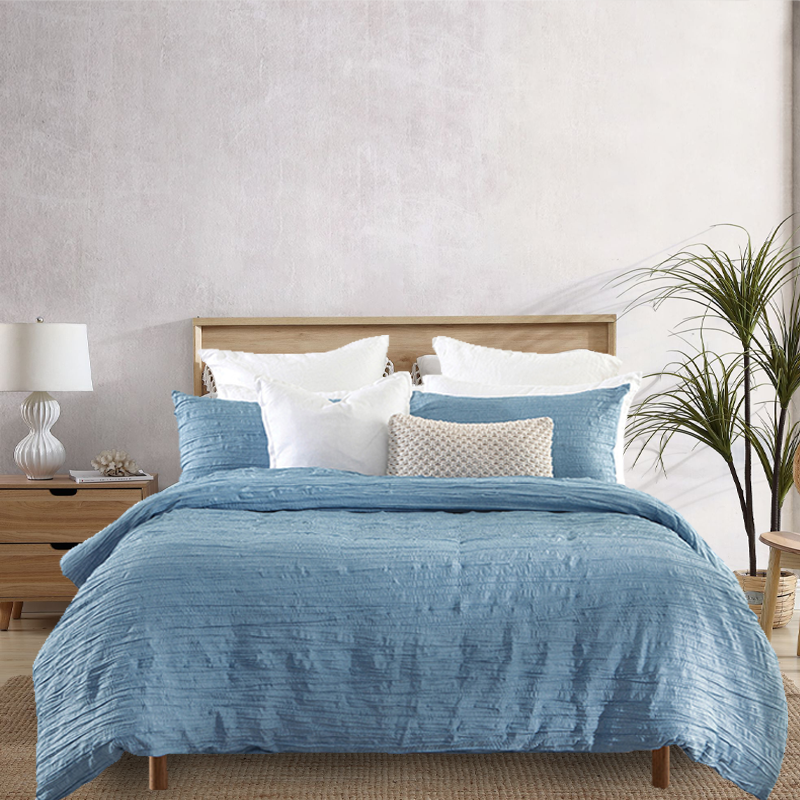
Why Microfiber Sheets Are Popular: Softness, Value, and Hypoallergenic Appeal
Ultra-Soft Texture from Fine Denier Fibers and Immediate Comfort Out of the Package
The softness factor of microfiber sheets comes from those super fine synthetic fibers that are woven together really tight, creating this almost velvet like feel that just glides against the skin. Cotton is different because it needs time to get broken in before feeling comfortable, but microfiber feels good right out of the box. People with sensitive skin or conditions like eczema often find these sheets much gentler on their skin. They reduce irritation without wearing down over time, making them practical as well as comfortable for everyday use.
Cost-Effective Performance: How GSM (90–110) Balances Affordability and Durability
Bed sheets that fall in the 90 to 110 grams per square meter range offer something special. They're light enough to let air circulate but still thick enough so they don't get thin or start wearing out too quickly. The middle of this range gives good durability without breaking the bank either these cost around 30 to maybe even 50 percent less than those fancy cotton options on the market. Plus, because they're made from synthetic materials, they tend to hold their shape better after washing and don't fade as easily over time. People who want comfort without constant replacement find this combination pretty appealing.
Hypoallergenic Advantages: Barrier Effect Against Dust Mites and Low Skin Irritation Risk
Microfiber fabric has a really tight weave that acts as a barrier against dust mites and stops allergens from building up inside. That makes it pretty good for people who suffer from allergies. Since microfiber isn't organic material, microbes don't grow on it as much compared to things like cotton or linen fabrics we normally find around the house. Tests done on actual skin samples show very little reaction happens when using microfiber products, sometimes less than 2% reactions overall. So this means even folks with sensitive skin or damaged skin barriers can generally handle microfiber without problems most of the time.
Key Limitations of Microfiber Sheets: Breathability, Heat Retention, and Pilling
Reduced Airflow and Sleep Surface Warming: Lab Data on Thermal Regulation (32–36°C)
The tight, non porous nature of microfiber fabric actually blocks air from moving through it and stops sweat from evaporating properly, which means the surface gets pretty hot when someone lies on it. Tests show these surfaces can get anywhere between 32 to 36 degrees Celsius in controlled environments. That's way above what most people consider comfortable for sleeping, which is around 18 to 22 degrees. People who tend to run warm at night or live in hotter regions frequently complain about feeling uncomfortable and waking up throughout the night. This problem seems especially bad during the summer season or when bedroom ventilation isn't great, making for some seriously restless nights for many folks.
Pilling Over Time: Why Low-GSM (<90) and Brushed Finishes Accelerate Fiber Breakdown
Pilling occurs when surface fibers loosen, tangle, and form small bobbles—a common issue with lower-quality microfiber. Two key contributors are:
- Low GSM (<90): Thin, structurally weak fabrics fray easily during washing and daily use.
-
Brushed finishes: Though plush at first, brushing compromises fiber integrity, accelerating pill formation under friction.
While higher-GSM options (120+) improve resistance, most budget-friendly microfiber sheets prioritize initial softness over longevity—and visible pilling often appears within 6–12 months of regular use.
Lesser-Known Trade-Offs: Static, Sustainability, and Care Requirements
Static Electricity Buildup Attracting Allergens—A Hidden Challenge for Sensitive Sleepers
The synthetic nature of microfiber creates static electricity problems, particularly when humidity levels drop indoors. Studies on indoor air quality suggest static buildup can actually jump by around 40% in these dry conditions. What happens next is pretty problematic for allergy sufferers. The static charge pulls in all sorts of stuff from the air including dust mites, pollen particles, and animal dander, which basically cancels out any supposed hypoallergenic advantages of microfiber fabrics. Anti-static sprays might help temporarily but they wear off quickly and often leave behind residue that makes the fabric feel less breathable after repeated use.
Environmental Considerations: Microplastic Shedding During Washing and Recyclability Limits
Every time someone does a load of laundry, around 700 thousand tiny plastic fibers escape from regular microfiber clothes right into our water systems. These little plastic bits stick around forever in oceans and lakes, building up inside fish and eventually ending up on dinner plates too. The problem is that most microfiber stuff is made from mixed plastics, so it's basically impossible to recycle through normal city programs. That means almost nothing gets recycled at all. Thinner fabrics let out way more fibers during washing, though even the thicker ones still release plenty. There are these special laundry bags that claim to catch about half to three quarters of what comes off, but honestly they just slow things down rather than stopping them completely. And those bags remain pretty much the only option available to regular folks trying to cut back on this pollution mess.
FAQ Section
What are microfiber sheets made of?
Microfiber sheets are made from finely woven synthetic fibers, primarily polyester or nylon.
Are microfiber sheets better than cotton sheets?
Microfiber sheets offer immediate softness and are generally more cost-effective than cotton sheets, but cotton sheets are more breathable and have better temperature regulation.
How do I care for microfiber sheets?
Microfiber sheets should be washed in cold water and dried on low heat to prevent damage and maintain their softness.
Do microfiber sheets pill easily?
Lower-GSM microfiber sheets may pill after several months of use due to fiber breakdown, while higher-GSM options tend to resist pilling better.
Are microfiber sheets environmentally friendly?
Microfiber sheets can contribute to microplastic pollution during washing, and recycling them is often difficult due to mixed plastic materials.