
 EN
EN
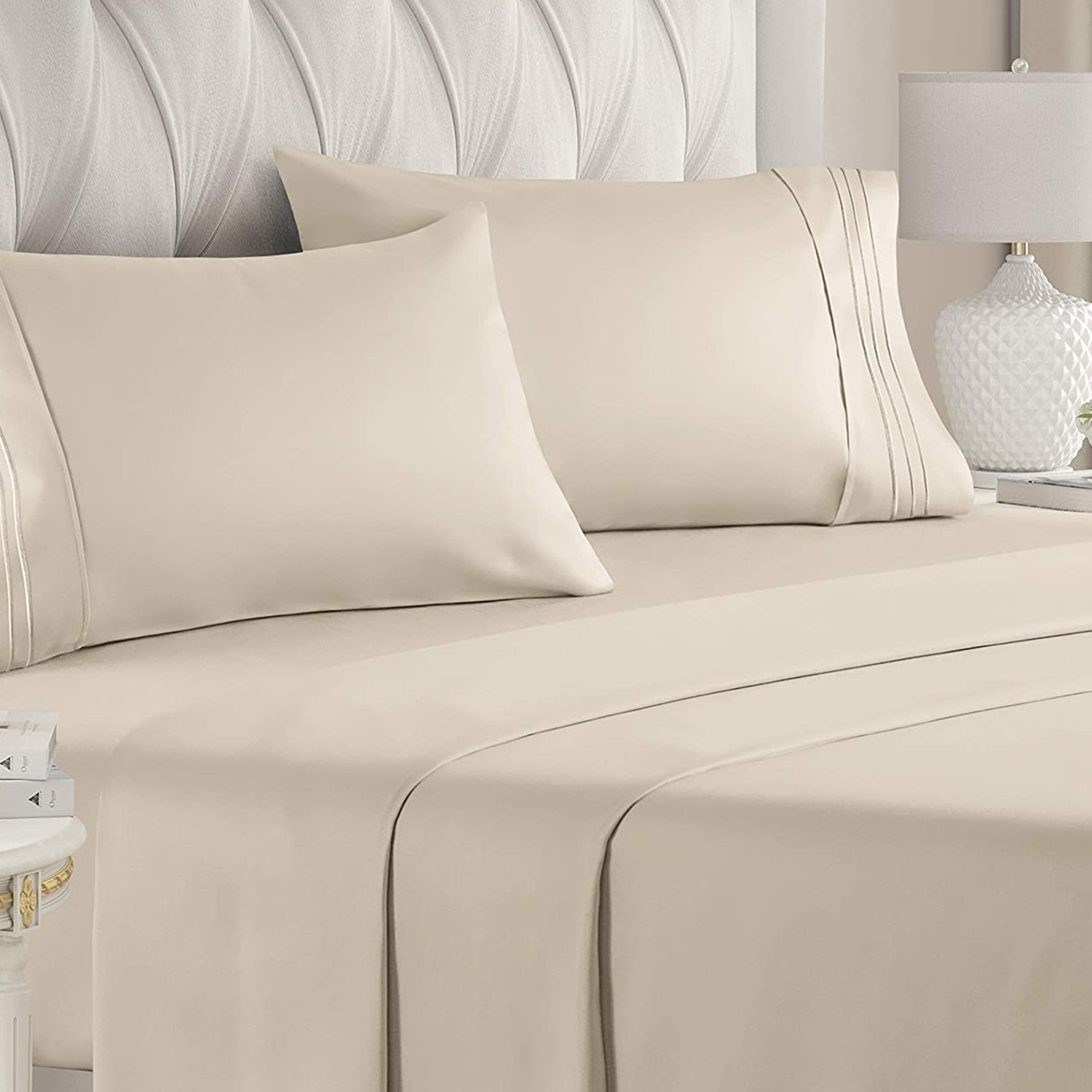
Design: How Fitted and Flat Sheets Differ in Shape and Construction
Fitted Sheet Structure: Elasticated Corners for Snug Mattress Fit
Fitted sheets have those stretchy corners on all sides that create little pockets around the mattress. These pockets need to be deep enough (usually between 14 and 18 inches) so they actually stay put on most mattresses without wrinkling up everywhere. The way these sheets are made keeps them from sliding off during the night and helps protect against things like spilled drinks, sweat stains, and general wear and tear on the mattress itself. But there's one downside worth mentioning here. Because of their three dimensional shape, these sheets can be a real pain when it comes time to fold them up for storage, especially if someone prefers the simpler flat sheets instead.
Flat Sheet Simplicity: Rectangular Design for Versatile Use
Flat sheets are basically just plain old rectangles without any stretchy bits or special shaping. They come in standard sizes that fit most mattresses right out of the box, no need to mess around with alterations. Plus, those simple straight edges make them super easy to fold up and stash away when not in use. People often find other ways to put these sheets to work too. Some folks throw them over couches as light covers, others hang them temporarily across windows during emergencies, and plenty take them on picnics instead of bringing along dedicated blankets. As regular bed sheets though, there's definitely some work involved getting them tucked properly at the corners. But honestly, who doesn't remember learning how to do those tricky corner folds? It might be a bit of extra effort, but considering all the different ways these basic sheets can be used and how straightforward they are to wash and maintain, it's totally worth it.
Function: The Role of Fitted vs Flat Sheets in Bed Layering
Fitted Sheet Purpose: Securing the Base Layer and Protecting the Mattress
The fitted sheet serves as the base layer for bedding and does more than just look good on the bed. Its main job is keeping everything stable through the night. The elastic corners hold things together no matter how someone moves around during sleep, which matters a lot for people who toss and turn or have thicker mattresses like memory foam or those with pillow tops. Another big thing about fitted sheets is protection. They sit right between skin and mattress fabric, catching all sorts of stuff from natural body oils to morning coffee accidents before they can soak into the mattress itself. This kind of protection really makes a difference over time. Most folks find their mattress lasts way longer when protected properly, sometimes adding three or four extra years of use. Plus, there's nothing quite like lying down on a flat, tight surface instead of something saggy or wrinkled.
Flat Sheet Use: Serving as a Top Layer for Cleanliness and Comfort
The flat sheet sits right between where someone sleeps and their comforter or duvet, acting as both a protective layer and something that helps regulate body temperature. Flat sheets catch all sorts of stuff from our skin like dead cells, natural oils, and even little bits of dust mites before they get into the thicker parts of the bedding. This means people don't have to wash their comforters so often maybe even half as much throughout the year. Sheets made from natural materials work best for letting air circulate. Cotton percale or good quality linen is particularly great at keeping things cool during hot nights while still providing just enough warmth when temperatures drop at night. What makes flat sheets special compared to other covers? They adjust to body heat pretty well without adding extra weight on top. Plus, when tucked properly around the mattress edges, they give beds that neat appearance everyone wants without needing complicated folding techniques.
Best Use Cases: When to Choose a Fitted Sheet or a Flat Sheet
When to Use a Fitted Sheet: Ideal for Thick Mattresses and Active Sleepers
Fitted sheets have become essential for today's premium mattresses, especially when we're talking about models thicker than 12 inches or ones with those fancy pillow tops and memory foam layers. The deep pockets with stretchy edges keep everything in place during the night so people don't wake up to find their sheets all bunched up again. People who toss and turn in bed will appreciate how these sheets stay put through all sorts of movements. They not only make sleeping more comfortable but also help protect the mattress from wear and tear that comes from constantly adjusting covers throughout the night.
| Feature | Benefit | Ideal Scenario |
|---|---|---|
| Elastic Corners | Prevents shifting | Adjustable/extra-thick beds |
| Full Mattress Coverage | Shields against stains and wear | High-mobility sleepers |
| Tailored Fit | Eliminates wrinkles | Memory foam/pillow-top mattresses |
When to Use a Flat Sheet: For Temperature Control and Duvet Protection
Flat sheets work really well as top layers for beds, offering both looks and practical benefits when it comes to staying clean and comfortable in different weather conditions. When summer rolls around or humidity spikes, those light weight materials that wick away sweat (think about cotton percale with around 300 threads or linen that's been washed) help keep things breathable and cool through evaporation. During winter months, these sheets create a nice thin barrier under the comforter without making people feel too hot. The real advantage though is how they catch all sorts of stuff from our bodies before it gets to the comforter itself, which means fewer deep cleans that take forever and aren't always good for machines. Plus since most flat sheets come in standard sizes and lots of styles, mixing patterns becomes simple and swapping them out seasonally doesn't mean buying brand new bedding every time.
FAQ
What are the main differences between fitted and flat sheets?
Fitted sheets have elastic corners to fit snugly around a mattress, whereas flat sheets are rectangular without any specific shaping, making them easy to fold and versatile for various uses.
How do fitted sheets protect mattresses better than flat sheets?
Fitted sheets protect mattresses by staying in place and catching bodily oils, spills, and general wear and tear, while flat sheets serve as a top layer, providing cleanliness and comfort.
Why might someone prefer a flat sheet?
Some people prefer flat sheets for their simplicity, versatility, and ease of folding, along with their ability to regulate temperature and protect duvets or comforters.