
 EN
EN
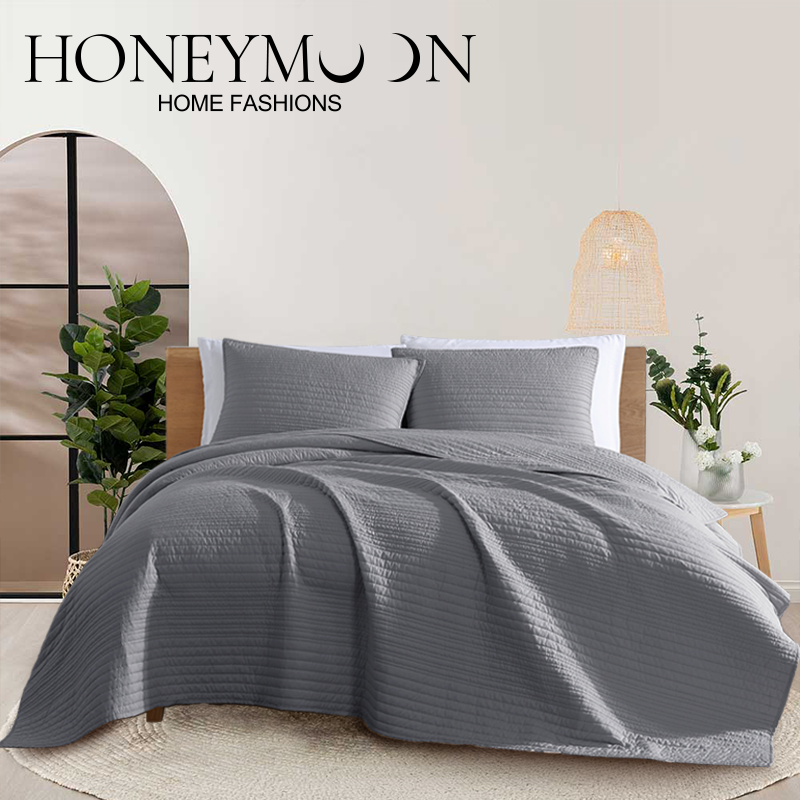
Microfiber Sheets vs. Natural Fibers: Upfront Affordability Without Compromise
Price Comparison: Microfiber Sheets at 40–60% Less Than Premium Cotton, Linen, or Silk
Microfiber sheets offer really good comfort while costing around 40 to 60 percent less than those fancy natural fibers such as Egyptian cotton, linen or silk. Take a look at the numbers: premium cotton can run anywhere from $100 up to over $300, whereas decent microfiber options usually fall between $20 and $40. Why such a big difference? Well, making synthetic materials just works better from a production standpoint. Polyester nylon blends need way less water, take up smaller plots of land, and don't require nearly as much manual labor compared to growing all those natural fibers. The industry data backs this up too. Even when we talk about thread counts, a 1500 thread count microfiber sheet actually feels pretty similar to that expensive $200 plus cotton percale stuff, but for less than half the price. People watching their budgets will find these savings quite attractive without having to give up on that soft, almost silky feel they want in bed.
Entry-Level Luxury: High-Thread-Count Feel for Under $50
Microfiber tech makes these super fine threads that pack together really tight, kind of like how high thread count cotton feels but at much lower counts. Around 90 to 120 threads per inch actually gives similar softness as those expensive 600 to 800 TC cotton sheets. Companies have figured this out and now sell decent quality sheets for under fifty bucks that don't pill even after over a hundred washes. When it comes to lasting power, synthetic materials beat out natural ones almost twice as much in tests. What we get is that fancy hotel look everyone wants those smooth surfaces without wrinkles and that nice flowing feel right in our own homes. And let's face it, nobody has time for special care instructions like linen or silk require. Microfiber stands up to regular washing machines no problem, so it saves money in the long run. That's why so many people call it smart luxury these days.
Luxury Sensations Delivered: Softness, Drape, and Visual Appeal of Microfiber Sheets
Silky-Touch Science: How Ultra-Fine Polyester-Nylon Blends Mimic High-End Textures
What makes modern microfiber sheets so famously soft? It all comes down to those special polyester and nylon mixtures where the individual fibers can be as thin as 100 times smaller than a strand of human hair. During manufacturing these super fine threads get split apart in a particular way, forming tiny little channels that mimic how silk feels when it slides across skin. Natural fabrics usually need time to soften up before they feel comfortable, but microfiber is different. People just grab the package and instantly experience that silky feeling, which explains why around three out of four hotel chains have switched to using them, per recent Hospitality Textile Reports findings. The material itself doesn't pill easily either, so that lovely buttery texture lasts for ages even after many wash cycles. Plus, it costs way less money compared to fancy alternatives on the market today.
Wrinkle Resistance and Fluid Drape: Creating a Polished, Hotel-Quality Bedscape
Microfiber has this really slick surface that just doesn't want to crease up like cotton or linen does after getting washed. That's why people love it so much for bedding. The fabric flows nicely over mattress tops, making those neat hospital corners and those pretty waterfall edges possible without needing an iron. And when we talk about colors staying vibrant? Microfiber holds onto dyes better than most fabrics thanks to modern dye tech, which means sheets look fresh and clean even after multiple washes. Tests done by the industry show that good quality microfiber keeps about 92% of its wrinkle resistance after going through over 50 laundry cycles. For regular folks, this translates to saving somewhere around 15 hours every year on ironing chores alone. Not bad for something that feels so soft against the skin too.
Long-Term Value: Durability and Low Maintenance of Microfiber Sheets
Proven Longevity: ASTM-Tested Performance Beyond 300 Wash Cycles
Microfiber sheets are really tough stuff. Tests by the American Society for Testing and Materials back this up, showing they can handle over 300 washes before breaking down much. Natural fibers tend to pill and shrink all the time, but microfiber's super tight weave keeps things looking good longer and resists fading too. Hotels and other places in the hospitality business have found that these sheets hold up for around three to five years even with heavy washing in commercial machines. That makes sense why so many people see them as a smart buy when they want something that lasts. Regular cotton sheets start showing their age pretty quickly though, usually needing replacement after only about fifty to a hundred washes at most.
Effortless Care = Lower Lifetime Cost: No Ironing, Faster Drying, Reduced Energy Use
Microfiber’s low-maintenance profile generates measurable savings:
- Zero ironing requirements, thanks to inherent wrinkle resistance
- 40% faster drying times than cotton, cutting energy use
- Full compatibility with cold-water washing, eliminating heating costs
Its moisture-wicking properties enable thorough cleaning without harsh detergents, further lowering recurring expenses. When combined with its extended lifespan, these advantages reduce lifetime ownership costs by up to 60% compared to premium cotton—proving luxury and economy coexist in well-engineered synthetics.
Smart Buying Guide: Choosing Premium Microfiber Sheets That Deliver Real Luxury
When shopping for quality microfiber sheets, don't get caught up in thread count numbers alone. What really matters is looking for single ply construction made from those super fine filaments below 1.0 denier that give them that luxurious silk feel without any annoying pills forming over time. Check if they have OEKO-TEX Standard 100 certification because nobody wants toxic chemicals messing with their sleep quality. Take a close look at how densely stitched they are too – aim for at least 10 stitches per inch – plus make sure the corners have strong elastic that can hold onto even thick mattresses around 18 inches deep. People living in hot climates should go for sheets with tiny holes woven throughout them since these let air circulate better while still keeping things comfortable temperature wise. And always read those care instructions carefully before tossing them in the washer. Most good ones will handle 40 degree Celsius washes just fine, but too much heat actually damages microfiber fabric over time. To keep them feeling as soft as day one for years on end, it's smart to alternate between two different sets each week instead of using the same ones every night.
FAQ
Are microfiber sheets better than cotton sheets?
Microfiber sheets are often more affordable and low-maintenance, offering silk-like softness and durability. They are typically wrinkle-resistant and dry faster, but some people may prefer the natural feel of cotton.
Do microfiber sheets retain heat?
Microfiber sheets can be warmer as they trap more heat, but those with breathable designs can still offer comfort in hotter climates.
How should I wash microfiber sheets?
Use cold water and avoid high heat settings when washing microfiber sheets to maintain their softness and longevity. Follow care labels for best results.
Table of Contents
- Microfiber Sheets vs. Natural Fibers: Upfront Affordability Without Compromise
- Luxury Sensations Delivered: Softness, Drape, and Visual Appeal of Microfiber Sheets
- Long-Term Value: Durability and Low Maintenance of Microfiber Sheets
- Smart Buying Guide: Choosing Premium Microfiber Sheets That Deliver Real Luxury
- FAQ