
 EN
Cotton Pillow Shams: Value Engineering Guide
棉质枕头假片:价值工程指南
For an overseas buyer, cotton pillow shams are not a minor finishing item. They influence how a bedding range photographs, how easily shoppers understand a set, and how much avoidable rework reaches the warehouse. The useful shift is from asking whether a sham looks attractive to asking whether its specification, packing, and replenishment plan fit the intended channel. This guide helps buyers turn cotton pillow shams into a clear sourcing brief rather than a vague décor request.
Start with the commercial role of cotton pillow shams
A sham is generally a decorative removable cover, often with an envelope, button, or other closure at the back. That sounds technical, but for a buyer the next question is simple: is the item a standalone accent, a coordinated component in a bedding set, or a retail add-on? Cotton pillow shams may support a layered bed presentation, a seasonal color story, or a higher-value set configuration. Each role changes the acceptable size range, trim treatment, pack count, and target cost.
Before asking for a quotation, define the channel. A supermarket program may prioritize repeatable colors, clear pack labeling, and consistent replenishment. A specialty collection may place more weight on surface texture, flange proportion, pattern placement, or decorative closure. Neither route is automatically right; value engineering means spending on the features shoppers see and use while controlling variation that adds cost without supporting the assortment role.
Build a specification before comparing prices
Material is only one line in the brief. For cotton pillow shams, request the fiber statement and any agreed fabric construction, then separately define the weave or texture, finished dimensions, closure style, flange or piping, printing or embroidery method, seam allowance, labels, and pack configuration. A supplier quotation becomes comparable only when each factory prices the same scope.
It may seem like cotton is the whole story—actually, size tolerance, trim, finishing, and packing can be just as decisive. Ask which items are confirmed versus proposed. If a soft hand feel, a particular finish, or a special color standard matters, retain an approved sample and a written reference rather than relying on product-name language.
Size terms need measurements, not assumptions
European pillow shams and king pillow shams are helpful search terms, but they do not replace a dimension sheet. Published retail guides commonly show Euro forms as square and king forms as longer rectangles, yet finished measurements, insert allowance, and flange treatment vary by market and brand. A buyer should state the target country, insert size, finished cover size, tolerance, and whether the listed size includes the flange.
For European pillow shams, confirm the square dimensions and the intended placement within the bed display. For king pillow shams, confirm orientation, closure position, and whether the pack includes one or two covers. This prevents a common comparison error: judging suppliers by a unit price when they have priced different finished sizes or different trim widths.
Use a value-engineering matrix
| Decision area | What to specify | Why it affects value |
|---|---|---|
| Fabric and finish | Approved composition statement, construction reference, color standard, and hand-feel sample | Keeps material language from substituting for a usable specification. |
| Dimensions | Finished width and length, flange, tolerance, insert reference | Makes cotton pillow shams comparable across quotations. |
| Decoration | Placement artwork, repeat, thread or print reference, front/back treatment | Identifies where visual variation is acceptable and where it is not. |
| Construction | Closure, seams, corners, labels, and any agreed workmanship standard | Creates an inspection basis before bulk production. |
| Pack and logistics | Pieces per set, folding method, insert card, carton marks, and shipping readiness | Connects factory output with shelf or ecommerce requirements. |
Use this matrix with sample costing. If a feature increases cost, ask what buyer-facing purpose it serves. For example, a flange can support a more formal bed presentation; it also changes fabric consumption and sewing time. A simpler construction may reduce handling, but it must still match the merchandising intent. This is how cotton pillow shams become a managed value decision rather than a price-only purchase.
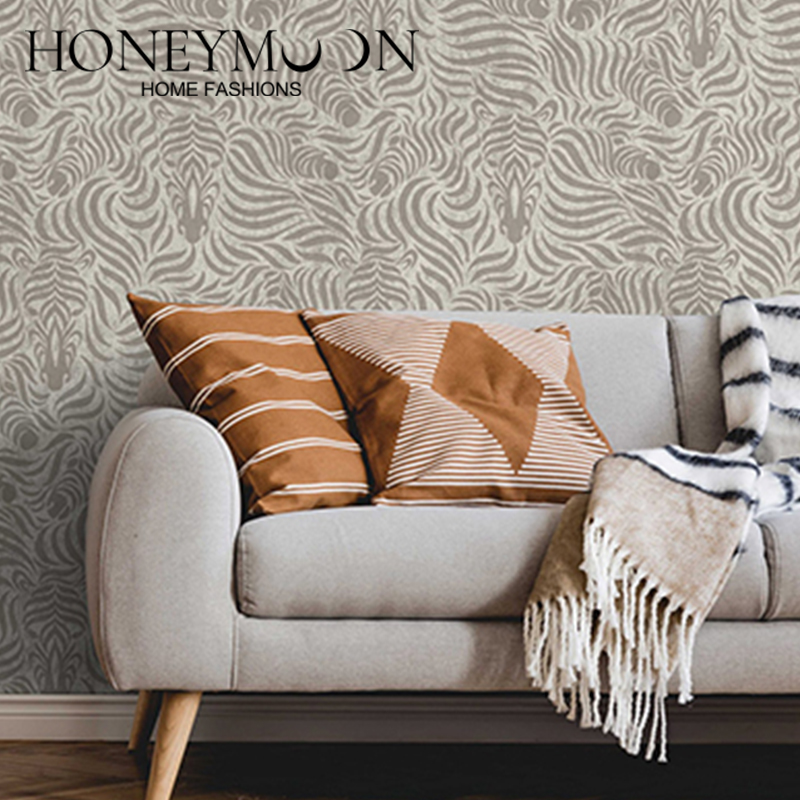
Plan the range around European and king formats
Range planning works when each format has a job. European pillow shams can create a square back layer in a styled bed display, while king pillow shams can align with a wider sleeping-pillow format. The buyer should decide whether those formats belong in one collection, separate listings, or a mix-and-match program. Do not assume a common print scale will work equally well on both shapes; request a layout review when motif placement is important.
For a supplier conversation, the confirmed site catalogue can be useful as a starting point for style direction. For instance, review the presentation approach of 20x20 Boho Pillow Covers – Timeless Striped Charm for Every Space or the broader cushion-cover listing Honeymoon Hot Sale 3d Trendy Sofa Decorative Kids Home Pillowcase Cushions Covers for Bedroom. Treat these as catalog references only: confirm all sham-specific material, size, closure, and customization details in the RFQ.
Make MOQ, sampling, and quality acceptance visible
MOQ is not a single number. Ask whether it changes by fabric, color, artwork, size, label, or packing format. A lower MOQ for a stock fabric may not apply to a new color or embroidered version. Similarly, lead time should be confirmed from the approval of the final sample and artwork, not merely from the date an inquiry is sent. For cotton pillow shams, record the sample stages: lab-dip or color approval if relevant, pre-production sample, bulk reference, and shipment sample.
Your quality plan should be written before bulk cutting. Check finished dimensions against the agreed tolerance; review seams, corners, closure operation, visible decoration, labels, count per pack, carton marks, and packing condition. A pattern worth watching is that comparisons become less useful when sizes and care requirements are not aligned first. The same applies to European pillow shams and king pillow shams: the acceptance sheet must identify each SKU by the approved finished specification.
Include care and delivery in the purchase decision
Care content should not be added after the order. Ask for the proposed care-label wording and validate that it fits the actual approved construction and target-market requirements. Then test whether the desired care guidance, packing method, and presentation remain consistent through handling and shipment. This may be a sensible direction for the assortment, although the final choice depends on approved specifications and the target market.
For delivery planning, separate production lead time, sample approval time, packaging-material readiness, inspection timing, and freight handoff. Buyers comparing cotton pillow shams in bulk should compare those milestones alongside the unit price. A lower quote that omits a special label, a structured pack, or a necessary approval stage may create a less useful landed-cost comparison.
Buyer checklist for a controlled cotton sham order
- State the commercial role, target market, and final retail or hospitality channel for cotton pillow shams.
- Provide finished measurements, insert reference, tolerance, flange treatment, closure, artwork, label, and pack count.
- Identify whether European pillow shams or king pillow shams require separate SKUs, artwork layouts, or cartons.
- Confirm MOQ by fabric, color, size, decoration, and packing option rather than using one headline figure.
- Approve a sample and an acceptance sheet before bulk production; include workmanship, dimensions, labeling, and packaging checks.
- Review care wording, production milestones, inspection timing, and shipping handoff as part of the total sourcing decision.
When buyers use this sequence, cotton pillow shams can be sourced with fewer hidden comparison gaps. The objective is not to over-specify every detail; it is to specify the details that protect the intended look, usable fit, purchase economics, and repeatability of the range.