
 EN
European Pillow Case Size: Contract Buying Guide
For a buyer, european pillow case size is not merely a styling term. It is a measurement, construction, and assortment decision that needs to survive sampling, packing, and final inspection. The common starting point is a square Euro sham measuring 65 × 65 cm, or about 26 × 26 inches. Treat that as a market reference rather than a substitute for a signed specification.
As a B2B sourcing planner, I would assess european pillow case size through the intended bed presentation, the insert it must cover, and the information a supplier can confirm in writing. A large decorative sham can add dimension to a bed display, but a retailer, hotel buyer, or private-label team still needs finished measurements, tolerance, closure detail, and care requirements before approving a bulk order.
Start with the Euro sham’s job in the assortment
A Euro pillow is generally a square decorative or layering component, often placed behind sleeping pillows on a larger bed. That role matters when defining european pillow case size. A sleep pillowcase and a Euro sham may both be called pillow covers, yet their insert shape, opening style, visual purpose, and buyer expectations can differ. Ask first whether the item is for a bedding set, a standalone decorative cover, hospitality use, or a coordinated cushion range.
The phrase european pillow size is useful for search and range planning, but it is not a complete purchase instruction. Record the finished width and length, whether measurements are taken flat or after filling, the intended insert dimension, and whether a fuller display calls for an insert slightly larger than the cover. This makes the brief usable across markets where labels such as Euro, square, standard, or king may mean different things.
Build a measurement-first specification
Write the european pillow case size in both metric and imperial units. A practical line might state: “Finished sham: 65 × 65 cm (nominal 26 × 26 in); confirm allowable tolerance and compatible insert dimensions before production.” This addresses a common error: agreeing on the label while leaving the finished measurement undefined.
| Specification point | What to define in the contract | Why it matters |
|---|---|---|
| Finished dimensions | Width × length in cm and inches, plus tolerance | Controls fit and keeps regional names from replacing measurements. |
| Insert relationship | Target insert size and desired fill appearance | Helps the buyer evaluate whether the cover will look taut, relaxed, or overfilled. |
| Construction | Envelope, zipper, button, flange, Oxford border, or other confirmed detail | Changes the cut dimensions, sewing sequence, and presentation. |
| Material and finish | Approved composition, weave or knit, color, print, and hand-feel reference | Turns a broad material discussion into reviewable requirements. |
| Care and labeling | Approved care instructions, fiber label, and market labeling needs | Aligns the product with the intended laundry routine and channel. |
When comparing a european pillow case size with a proposed sample, measure the usable cover body rather than relying only on a package label. If the sham has a flange or decorative border, identify separately whether the stated size describes the inner body or the outside edge. That sounds technical, but it is often the detail that reduces the chance of different teams approving different interpretations.
Choose sham materials and styling by use case
Material selection should follow the application, not a generic promise about comfort or durability. For a retail decorative sham, a buyer may prioritize visual texture, color repeatability, and a closure that keeps the insert concealed. For a bedding program, the care route and coordinated components may carry more weight. Confirm composition and care documentation for the exact proposed item rather than assuming a fabric name answers every question.
The same caution applies to a face pillow. If this phrase appears in a range brief, ask what the item is intended to be: a decorative cover, a shaped support product, or another category. Do not attach performance or wellbeing claims unless the exact construction and approved evidence support them. Clear category language reduces the chance that an imagery-led description implies an unconfirmed use.
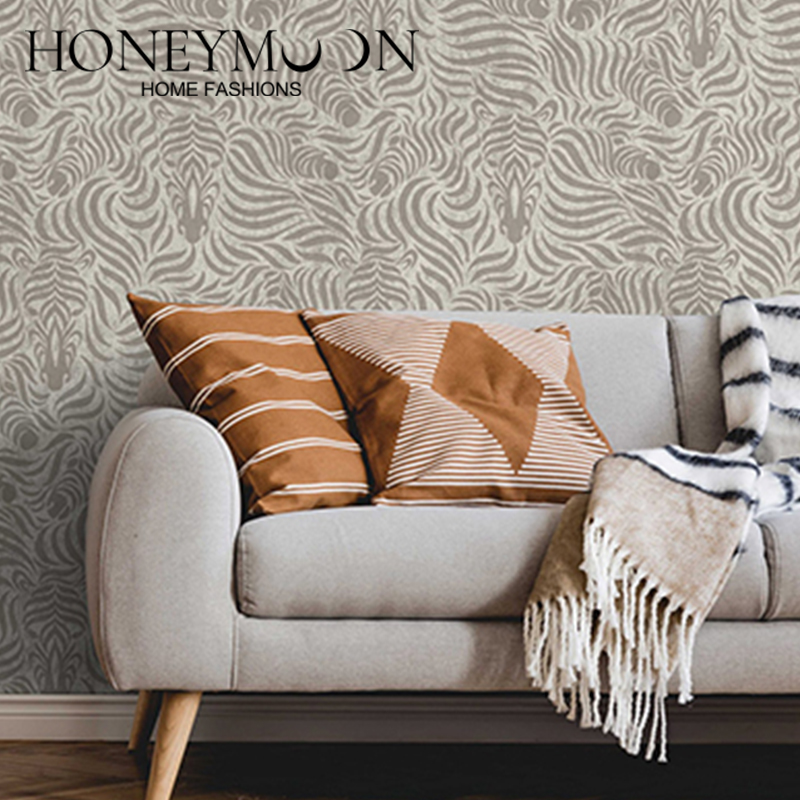
For style references, HENIEMO’s catalog includes 20x20 Boho Pillow Covers – Timeless Striped Charm for Every Space. It can be useful when discussing a decorative pillow-cover presentation, but its listed title should not be treated as proof of a Euro-size specification. Likewise, the catalog entry Honeymoon Hot Sale 3d Trendy Sofa Decorative Kids Home Pillowcase Cushions Covers for Bedroom is an internal reference for a pillowcase-cover category; confirm its dimensions and construction separately for any new inquiry.
Make customization, MOQ, and lead time answerable
Customization should be framed as a list of questions, not an assumed capability. For a european pillow case size program, state the requested dimensions, fabric option, closure, border treatment, artwork or color reference, labels, packaging, target market, and planned order quantity. Then ask the supplier to confirm the available options, minimum order quantity, sample path, production lead time, and any effects of custom components.
A useful sourcing sequence is straightforward: first lock the measurable brief; next review a sample against that brief; then confirm inspection points and packing. This may be a sensible direction for an overseas assortment, although final feasibility depends on the supplier’s approved specifications and production confirmation.
Use quality acceptance checks before bulk release
- Measure each side of the sampled european pillow case size at the agreed finished points and record the approved tolerance.
- Check that the opening, closure, and seam placement match the signed construction reference.
- Compare fabric, color, pattern placement, and decorative trim to the approved sample or swatch.
- Review loose threads, skipped stitches, seam alignment, and the condition of any flange or border.
- Confirm care labels, fiber-content wording, carton marks, piece count, folding method, and polybag requirements for the destination channel.
- Request the production and dispatch schedule in writing after the sample and order details are finalized.
The goal is not to make the buying brief longer for its own sake. It is to make each approval testable. A buyer who records european pillow size alongside finished dimensions, tolerance, and insert relationship has a clearer basis for comparing quotations and samples.
Care, packaging, and repeat-order planning
Care instructions belong in the buying discussion because they influence fabric selection, finishing, labeling, and how a retailer communicates use to customers. Ask for the approved care recommendation for the exact construction. If a pillow sham is sold as part of a set, clarify which components are included and whether the cover is removable. Avoid treating a general category recommendation as an item-specific care instruction.
For repeat orders, retain the approved european pillow case size sheet, sample photographs, material reference, color standard, packing specification, and inspection record. That documentation helps new purchase orders begin with the agreed version instead of reopening basic questions. It also creates a more useful comparison when a buyer considers a different fabric, border, or packaging format later.
Buyer checklist for a Euro pillowcase contract
Before issuing an order, confirm these points: What exact finished european pillow case size is required? Which insert is it designed to cover? Does the stated size include the border? What material and closure are approved? Which care and label wording apply? What sample, MOQ, lead-time, and packing details can the supplier confirm? If those answers are documented, the Euro sham can move from a broad styling idea to a controlled, comparable sourcing requirement.