
 EN
Bamboo And Cotton Sheets: Compliance Guide
For an overseas buyer, bamboo and cotton sheets are not a simple fabric choice. The useful sourcing question is whether the fibre description, finished construction, label language, test documents, dimensions, and care instructions all describe the same saleable item. Start with the use case: retail, hospitality, online marketplace, or a coordinated bedding programme. Then turn the brief into requirements that a supplier can confirm.
This guide approaches bamboo and cotton sheets as a specification and compliance task, not a universal comfort contest. Hand feel and appearance matter, but they should follow composition, fit, care, and market rules. That approach helps a buyer compare like with like and avoid publishing claims before the supporting documents are ready.
Start the bamboo and cotton sheets brief with the end market
Ask where the goods will be sold, who will use them, and what must appear on the pack, sewn label, listing, and shipping documents. A supermarket programme may require consistent colour naming and retail-ready packing; a hotel programme may prioritize repeatable sizing and laundry instructions. For either channel, bamboo and cotton sheets need an agreed bill of materials, size chart, component list, and approval sample before production planning.
- State the target country or region and the product category: flat sheet, fitted sheet, pillowcase, or set.
- Specify finished dimensions, tolerances, mattress depth, elastic coverage, and whether pillowcases are included.
- List the requested fibre composition and the exact label wording for market review.
- Define colour, pattern, packaging, barcode, care-label language, and inspection method.
A frequent avoidable mistake is treating a queen label as enough information. For extra deep pocket queen sheets cotton requests, collect the actual mattress width, length, depth, and corner construction. A pocket-depth claim should be backed by an approved finished-size specification, not a generic product description.
Separate material terms from fibre-label claims
When reviewing bamboo and cotton sheets, ask what the word “bamboo” describes: a direct bamboo fibre, a regenerated cellulosic fibre, or a marketing shorthand. In the United States, the FTC explains that rayon or viscose made using bamboo as the plant source may be described as rayon or viscose made from bamboo. The applicable disclosure must be reviewed for the intended market; terminology and legal rules can differ elsewhere.
This distinction matters because a fabric story is not a composition specification. A buyer should request the fibre-content declaration, material test or supplier documentation where relevant, and artwork showing the proposed consumer-facing wording. Avoid treating bamboo-derived content as proof of environmental performance, antimicrobial properties, or a particular sleep result. The evidence needs to match the claim, the product, and the market.
The same discipline applies to organic cotton sheets. “Organic” should not be added because cotton is present or because a supplier uses organic inputs somewhere in its chain. If a GOTS representation is requested, buyers can ask for current scope documentation and, where appropriate, shipment-level transaction documentation. GOTS describes distinct organic-fibre thresholds for its label grades; confirm the current standard, certification scope, and product applicability before using its name in product copy.
Compare bamboo and cotton sheets by matched criteria
A practical comparison of bamboo and cotton sheets uses the same criteria for every option. Material labels do not explain weave, weight, finishing, dimensions, or care. The table below keeps the conversation focused on records a buyer can review.
| Decision area | What to confirm | Why it belongs in approval |
|---|---|---|
| Fibre disclosure | Generic fibre name, percentage, and market-specific wording | Supports accurate labels and listings |
| Construction | Weave, fabric weight, finish, stitching, and fitted-sheet design | Supports like-for-like review |
| Fit | Finished width, length, pocket depth, elastic design, and tolerance | Connects the sheet to the actual mattress |
| Care | Approved wash, drying, ironing, and colour-care instructions | Aligns expectations with the intended routine |
| Claims | Certificate number, scope, date, and label-use permission if applicable | Keeps marketing language evidence-aware |
For bamboo and cotton sheets, test reports and certificates are not interchangeable. A chemical-safety label, an organic-textile claim, a fibre-content statement, and a finished-product inspection each answer different questions. For example, OEKO-TEX STANDARD 100 is a harmful-substances testing label; it is not a substitute for confirming fibre composition or organic status. Request the document that supports the specific claim you intend to make.
Use samples and inspection checkpoints before bulk approval
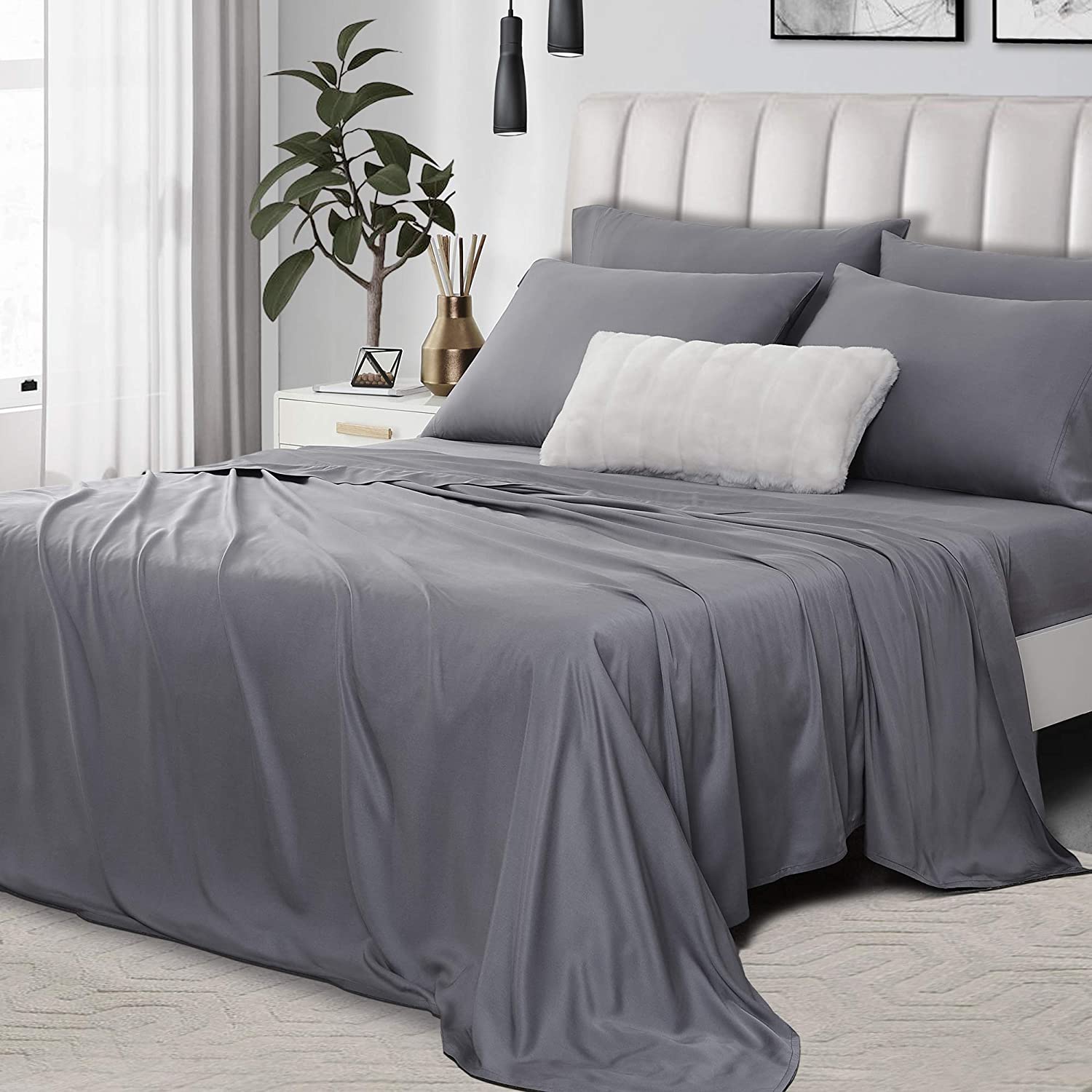
Buyers sourcing bamboo and cotton sheets can reduce ambiguity by approving a reference sample and a written inspection plan. The plan should identify sample quantity, colour standard, measurement points, workmanship checkpoints, packing details, and the treatment of nonconforming units. For a set, confirm every included component and its label placement.
Two HENIEMO product records can be used as internal navigation points during catalogue review: a bamboo sateen sheet listing and a soft bed sheet set listing. Treat these links as starting points for item-level questions, not as proof that every requested composition, certification, custom option, MOQ, or delivery date is available.
Build an RFQ for bamboo and cotton sheets that can be answered
Before requesting price, send a structured RFQ for bamboo and cotton sheets. Include the target market, intended channel, product dimensions, proposed fibre wording, construction, colours, components, packing, labelling, sample requirement, inspection approach, order quantity, and requested delivery window. Ask the supplier to separate confirmed capabilities from options that need review.
- Share the market and customer segment, plus the planned on-pack and online wording.
- Attach a dimension chart, including deep-pocket measurements when relevant.
- Ask for a composition declaration, care proposal, and evidence for each requested claim.
- Confirm available customization, MOQ, sampling steps, production timing, and packing only after a supplier response.
- Approve artwork, sample, inspection criteria, and shipment documents as separate approval stages.
This is particularly useful when organic cotton sheets form part of a larger assortment. The organic claim, fibre percentage, and certification route must be reviewed at the item level; they cannot be copied across a range by default.
Care guidance and final purchasing checklist
Care advice for bamboo and cotton sheets should follow the approved care label, because fibre blend, weave, dyeing, finish, and construction can change the correct routine. General guidance can direct users to wash according to the label and separate colours where indicated, but it should not override item-specific instructions. Confirm how the selected care method is represented in both consumer copy and supplier documents.
Before approving bulk bamboo and cotton sheets, verify the following: the fibre name and percentages; label and listing wording for the destination; exact dimensions and pocket depth; set components; approved sample; care instructions; claim evidence; packaging; inspection criteria; MOQ; and production or delivery timing. HENIEMO serves global home-textile buyers, so an inquiry that supplies these details gives the team a clear basis for checking the relevant product options and documentation.
The value of a compliance-first brief is clarity. Rather than asking whether bamboo and cotton sheets are broadly preferable, ask which documented specification fits the intended market, user routine, and commercial claim. That is the comparison that can move from concept to an approvable order.