
 EN
King Size Fitted Bed Sheets: Packaging Guide
For an importer, retailer, or hospitality buyer, king size fitted bed sheets are not a single line item. They are a fit specification, a material and care decision, and a packaging project that has to survive handoff from sample approval to bulk receiving. From a product-development viewpoint, the useful starting point is the target mattress and selling context, not a fabric label alone. A buyer who defines those conditions early can compare quotations on the same basis.
This guide turns king size fitted bed sheets into a practical sourcing brief. It covers size and pocket depth, construction and care questions, pack configuration, lead-time planning, and the inspection points that make a purchase order easier to manage.
Start with the buyer’s use case
The same king size fitted bed sheets can serve a retail assortment, a hotel replenishment program, a private-label launch, or a coordinated bedding collection. Each use case changes the brief. Retail buyers may need size wording and shelf-ready pack information that customers can understand. Hospitality buyers may prioritize repeatable measurements, wash-care information, and replenishment planning. A private-label buyer needs the approval path for artwork, labels, components, and packing written down before production.
Ask three early questions: Which regional mattress standard is the target? What depth range must the fitted corners cover? What will the purchaser need to verify on arrival? These questions keep a size name from being treated as a complete specification. A full size fitted sheet, a king item, and a California king item should be separate SKUs unless their dimensions and intended mattress fit have been explicitly reviewed.
Specify fit in measurable terms
A common U.S. reference for a standard king mattress is 76 by 80 inches, but that reference is not a universal cut plan. For king size fitted bed sheets, write the mattress width, length, and depth in the unit used for the order, then state the permitted depth range. A mattress topper can change the functional depth even when the mattress label stays the same.
Include the finished-sheet top panel, pocket depth, corner construction, elastic placement, and the measurement state for elastic. The last point matters: an elastic perimeter read while relaxed is different from one read under tension. Put measurement points, tolerances, and any wash-related dimensional-change expectation on the approved spec sheet. That gives the factory and receiving team one document to use.
| Brief item | What to confirm | Why it matters |
|---|---|---|
| Mattress dimensions | Width, length, depth, and topper allowance | Prevents a nominal king label from masking a fit issue. |
| Fitted construction | Pocket depth, corner seam, elastic zone, and relaxed measurement | Creates clear production and inspection points. |
| Size language | Destination-market wording on item, insert, and carton | Reduces confusion between a king fitted sheet and nearby size names. |
Choose material, function, and style as one decision
Material names do not describe the whole product. When reviewing king size fitted bed sheets, ask for the fiber composition, fabric construction, weight or other relevant construction detail, finish, color standard, and care label together. Then connect that information to the intended user and laundering routine. A soft hand-feel description alone is not a substitute for a repeatable specification.
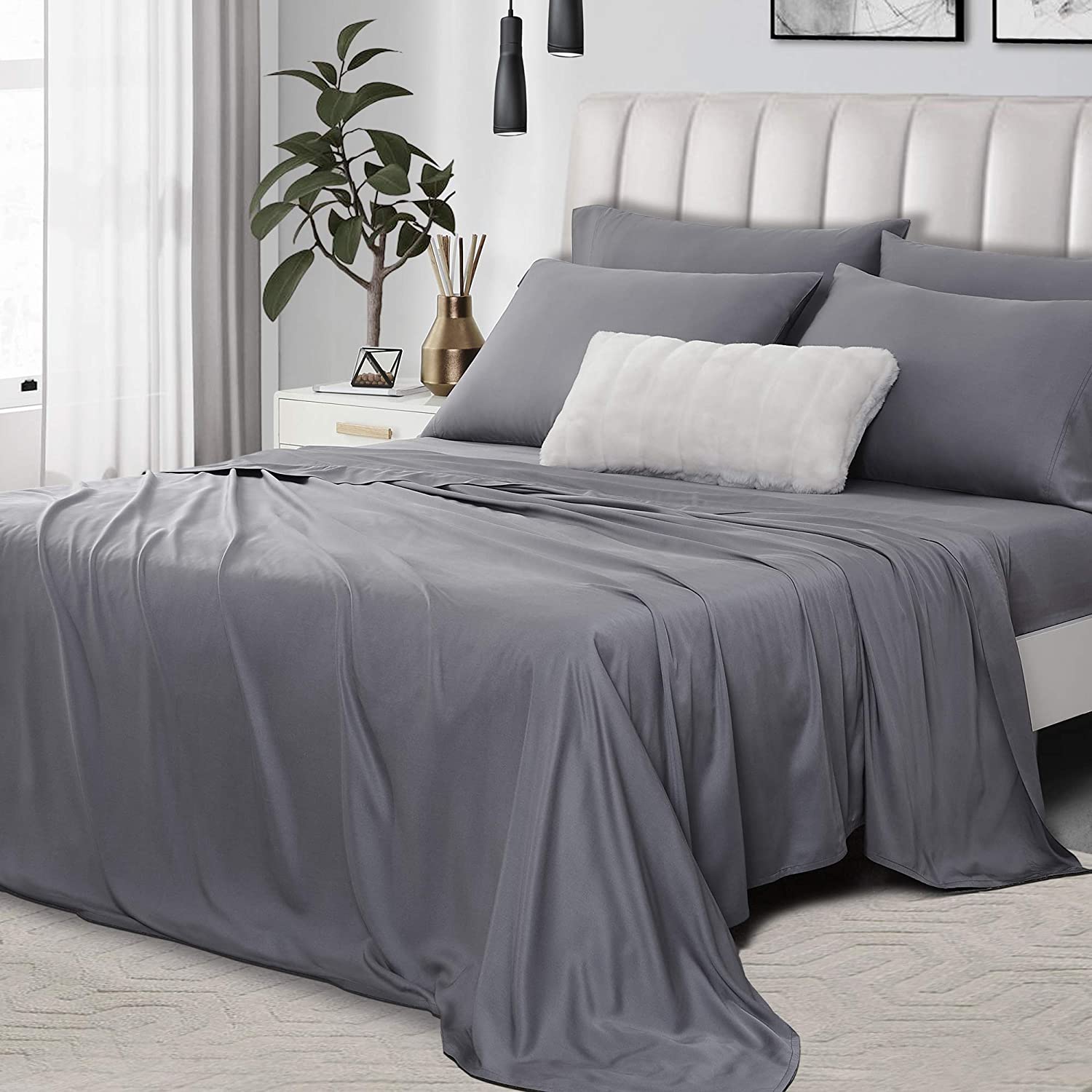
A retailer building a broad price ladder may compare a prewashed microfiber option with another construction, while a buyer whose range emphasizes cool-feel or smooth-surface bedding may wish to review a bamboo sateen reference. The site’s prewashed microfiber sheet-set reference and machine-washable bamboo sateen bedding reference can help a buyer frame product-page questions. They do not replace confirmation of the selected size, composition, set contents, or destination-market label requirements.
For style, decide whether the fitted item will be sold alone, paired with a flat sheet, or positioned within a coordinated set. State color, print placement if relevant, component count, and whether a visible size marker is needed. This keeps packaging artwork aligned with the actual offer.
Build packaging into the RFQ
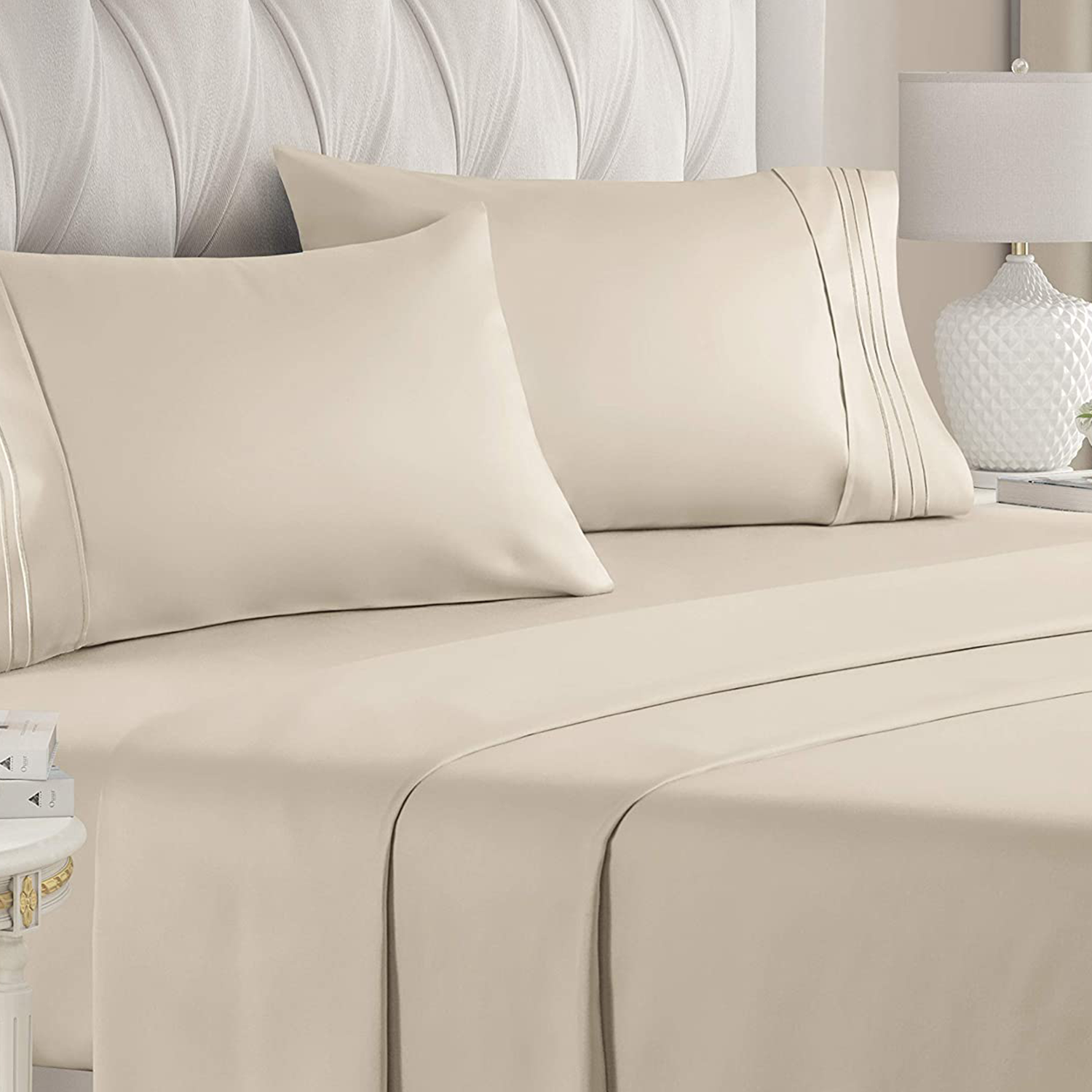
Packaging should be specified while king size fitted bed sheets are still being sampled, not after the textile has been approved. Describe the unit presentation, folding method, insert or label requirement, barcode placement, inner-pack quantity, carton quantity, carton marks, and any destination-specific warnings or fiber/care labeling. Compliance requirements differ by market, so the buyer’s compliance team should approve final artwork and wording rather than relying on a generic global template.
MOQ and lead time are also comparison fields, not assumptions. Ask suppliers to quote the MOQ by color, size, fabric, and packaging version; clarify whether custom artwork, testing, or a new color approval changes that quantity. Request a production schedule that separates sample confirmation, material preparation, bulk production, inspection, packing, and dispatch. This makes it easier to compare a low opening quantity against the operational cost of more variants.
Use a receiving checklist before bulk purchase
For king size fitted bed sheets, approve a sealed reference sample and a written inspection checklist before final payment terms are activated. Check finished width and length, pocket depth, corner seams, elastic application, fabric appearance, color versus the approved standard, labels, set components, folding, unit packaging, carton marks, and count. If laundering performance is important to the program, agree on the test method and acceptable tolerance before production rather than using an undefined “wash tested” statement later.
- Match each sampled king fitted sheet to the approved size table and measurement points.
- Verify that the pack states the same size and component count as the purchase order.
- Compare artwork, care instructions, and fiber declarations with the market-approved file.
- Record carton dimensions, gross weight, and units per carton for shipment planning.
- Keep inspection photos and a signed sample reference with the PO file.
Compare orders with one buyer matrix
A sound comparison matrix puts king size fitted bed sheets on equal terms: fit specification, fabric and finish, care information, approved color, components, packaging, MOQ, sample timing, production timing, inspection plan, and shipment readiness. Do not let an attractive fabric description move ahead of unconfirmed fit or packing details. The more precisely the RFQ records those choices, the easier it is to assess a supplier response and keep bulk delivery aligned with the approved sample.
Before placing the order, review the matrix with merchandising, compliance, logistics, and quality teams. That final check is often where a mattress-depth assumption, missing carton mark, or unclear size translation becomes visible. For buyers sourcing king size fitted bed sheets, packaging is therefore part of the product specification—not an afterthought.