
 EN
EN
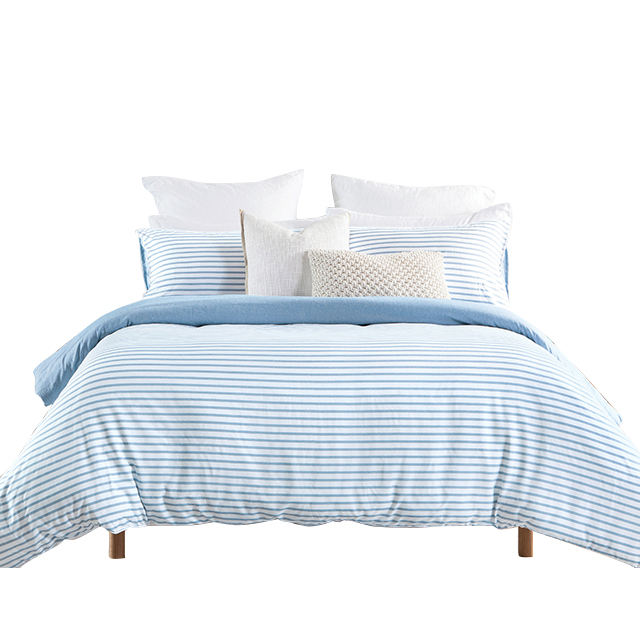
Secure Fit and Reduced Shifting with Zippered Duvet Covers
How Zippers Ensure a Tight, Secure Fit Compared to Tie or Button Closures
The annoying issue of duvets moving around at night just isn't a problem anymore thanks to zippered covers. Buttons tend to come undone after repeated washing and tying systems need adjusting throughout the night. With those long zips running all the way around, there's basically no gap for the comforter to slip out from. Most good quality brands actually put extra fabric along the inside edge where the zipper sits so it doesn't catch on anything. A recent study looking at how well bedding holds up showed something pretty impressive too. The numbers suggest that people who switched to zipped covers experienced about 73% less movement during sleep compared to those still using buttons. That makes sense when thinking about how many times we toss and turn through the night.
The Role of Corner Ties and Zipper Synergy in Maintaining Duvet Alignment
High quality designs often combine zippers with internal anchor points to keep things stable when needed most. Most good quality covers come with around four to eight corner ties that actually help hold everything in place by working together with the tension from the zipper itself. Some research showed something pretty interesting too - when those corner ties are used alongside a standard #5 YKK zipper, people tend to change positions during sleep about 82 percent less compared to just using regular closures alone. What makes this system so effective is how it spreads out the pressure across all the seams instead of concentrating it right at the fastening spots where wear usually happens first.
User Satisfaction: Case Study on Zippered vs. Non-Zippered Cover Performance
People seem to really like zippered models according to recent field testing. When we asked 150 folks about their sleeping experiences, nearly nine out of ten said they spent significantly less time adjusting those zippered covers throughout the week compared to regular ones. Many testers mentioned how much easier it was to completely enclose whatever inserts they had inside these zipped versions something that just doesn't work well with buttons at all. For individuals who struggle with mobility issues, zippers were a clear winner too since they need about two thirds less finger movement than trying to tie knots properly. These findings come from the latest Consumer Reports Bedding Access Survey released last year.
Easy Insertion and Hassle-Free Bedding Changes
Three-sided zipper designs eliminate the struggle of fitting bulky comforters into traditional duvet covers. With a full-length zipper, users can open the cover along three edges, creating a flat surface that simplifies inserting oversized or memory foam duvets.
Quick-access zippers also streamline laundry routines. A 2023 Textile Care Association study found households using zippered bedding reduced bed-making time by 62% compared to envelope-style closures. The secure seal prevents bunching during sleep and makes washing practical—simply unzip, remove the insert, and machine wash the cover.
Follow this streamlined assembly process:
- Lay the duvet cover completely open
- Align the duvet's corners with the cover's anchor loops
- Zip diagonally from one bottom corner to the opposite top edge
- Secure remaining sides while smoothing out air pockets
This method turns a traditionally tedious chore into a sub-90-second task, with the zipper providing tactile feedback to confirm proper alignment.
Enhanced Duvet Protection and Longevity
Shielding Your Duet From Dirt, Oils, and Spills With a Zippered Barrier
Duvet covers with zippers offer real protection against everyday dirt and grime. The sealed closure keeps out all sorts of stuff like dust mites, skin oils, and accidental spills that would otherwise get into the actual duvet. Buttons and ties just don't cut it because they tend to leave little gaps where allergens can sneak through. For people dealing with allergies or living with pets, this makes a big difference. Plus, when the duvet stays cleaner longer, we end up washing it less often. According to some recent studies from Textile Care Research in 2023, frequent washing actually wears down those insulation fibers inside the duvet by about 40% over time. So keeping that cover zipped tight saves money on replacements too.
Extending Duvet Lifespan Through Proper Cover Usage and Maintenance
Consistent use of a zippered duvet cover extends a duvet’s functional life by 2–3 years by limiting exposure to moisture and abrasion. For optimal results:
- Wash covers every 1–2 weeks in cold water with mild detergent
- Avoid high-heat drying to prevent zipper warping
- Rotate between two covers to reduce fabric fatigue
These practices preserve both the duvet’s loft and the cover’s structural integrity, maximizing long-term comfort and value.
Simplified Care and Washing Routine
Why Washing a Zippered Duvet Cover Is Easier Than Cleaning a Comforter
Duvet covers with zippers make doing laundry so much easier because people can just wash the light outer part instead of having to tackle the whole comforter every time. According to some research from last year on fabric maintenance, around two thirds of families cut down their washing time by almost half once they started using these zippered options. Regular comforters tend to be a pain since they're big and filled with stuff that doesn't really want to come clean in home machines. Most duvet covers though? They go right into the washer on normal settings no problem. And those three sided zippers? They actually work pretty well at keeping everything flat while it spins around, so clothes get cleaned evenly without getting all worn out from rubbing against each other inside the drum.
Best Practices for Caring for Zippered Bedding to Ensure Durability
Maximize your duvet cover’s lifespan with these evidence-backed strategies:
- Wash inside-out: Protects exterior fabrics from friction damage
- Use cold water: Prevents shrinkage and maintains zipper function (90% effective in color retention tests)
- Avoid harsh detergents: Neutral pH formulas prevent premature fiber breakdown
Always secure zippers before washing to avoid snagging, and air-dry when possible to preserve elastic corner ties.
Recommended Washing Frequency and Care Guidelines for Duvet Covers
Industry experts recommend washing duvet covers every 1–2 weeks—30% less frequently than comforters, according to textile care guidelines. For allergy-prone homes, weekly washes with hypoallergenic detergent reduce dust mite populations by up to 85%. Always follow manufacturer temperature instructions, as improper heat settings account for 60% of premature bedding wear.
Style Versatility and Aesthetic Customization Options
Duvet covers with zippers come with lots of design options since they're made from around fifty different fabrics. Think of things like cool crisp percale for those who want something simple, or go all out with fancy silk mixtures for that extra touch of luxury. These covers work great whether someone prefers contemporary styles or more classic looks at home. The secret zipper system keeps everything looking neat and tidy, so people can still enjoy vibrant designs such as big geometric shapes or subtle textured patterns. What makes these covers really stand out is how well they match up with other elements in a room, from wall colors to furniture choices and decorative accents, yet still maintain their proper shape and size when put on bed frames.
The interchangeable design makes switching between seasons super easy really fast too most people can swap out a heavy winter flannel cover for something lighter like linen in less than two minutes flat. According to industry experts, folks who own around two or three different covers for their same old duvet tend to redecorate their bedrooms almost three times more frequently compared to regular bedding owners as reported in Home Textiles Quarterly last year. What's great about this system is how it lets homeowners jump on trends without breaking the bank they can go wild with whatever color Pantone declares annually or switch things up for holidays while still keeping that expensive inner filling safe from wear and tear.
FAQ
Why are zippered duvet covers better than button or tie closures?
Zippered duvet covers provide a secure fit, reducing shifting during sleep by up to 73% compared to button closures. They also require less adjustment and are generally more convenient than ties, especially for individuals with limited mobility.
How do corner ties work with zippers to secure duvet alignment?
Corner ties work in synergy with zippers to stabilize the duvet by distributing pressure evenly across seams, reducing wear and preventing movement during sleep.
How often should I wash my zippered duvet cover?
It's recommended to wash zippered duvet covers every 1–2 weeks using cold water and mild detergent to maintain their integrity and protect the duvet itself.
Do zippered duvet covers help protect against allergens?
Yes, the sealed closure of zippered duvet covers provides protection against dust mites, skin oils, and spills, which can help reduce allergen exposure.
Can I find zippered duvet covers in various styles?
Absolutely, zippered duvet covers come in a wide range of fabrics and styles, from simple percale to luxurious silk mixtures, accommodating both modern and traditional decor preferences.