
 EN
EN
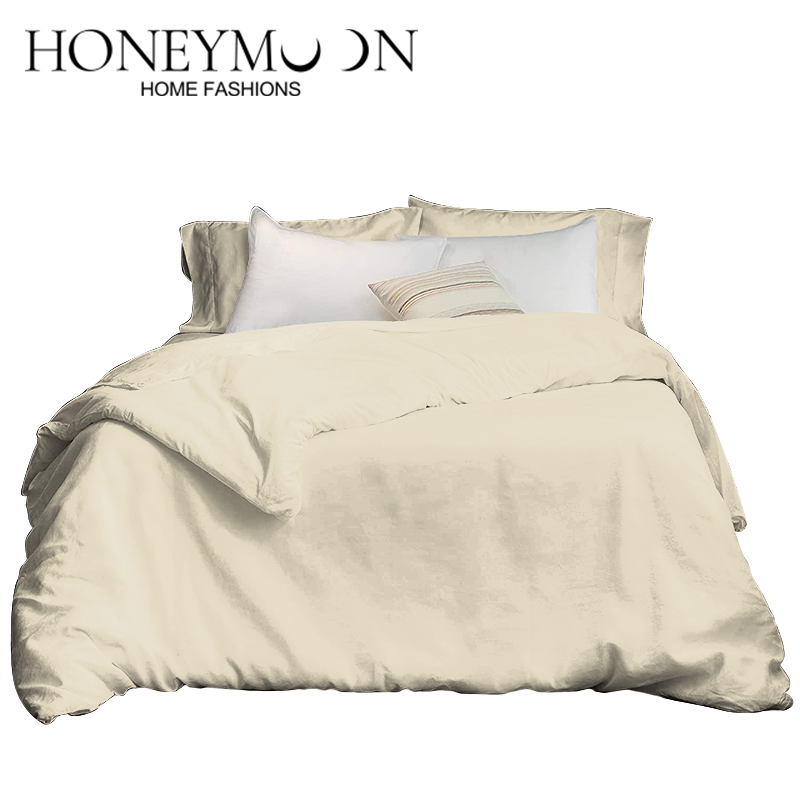
How Duvet Covers Define Bedroom Style and Aesthetics
How Duvet Covers Shape the Visual Tone of a Bedroom
Duvet covers are probably the biggest piece of fabric in any bedroom, and they really grab attention right away, establishing what kind of vibe the whole room has. Going for neutral shades such as off-white or light grey gives spaces that clean, simple look many people want these days. But if someone wants something bolder, there are those rich colors too - imagine green like fresh leaves or deep blue similar to ocean depths - which can totally transform modern rooms with their striking presence. According to recent research from last year's interior design industry report, almost seven out of ten homeowners actually rank bedding as the top factor when making over their living areas. That beats even things like new paintings on walls or buying fresh furniture pieces.
Using Patterns and Colors to Enhance Bedroom Ambiance
The colors we pick can really change how a space feels. Soft blues and greens tend to make people feel calm and relaxed, whereas those warm terracotta tones or mustard yellows bring a sense of cozy sophistication into a room. When it comes to patterns, they matter too. Geometric designs can give old fashioned rooms a contemporary twist, while floral patterns often bring back that classic vintage vibe most folks love. Small spaces present special challenges. Many designers recommend going for vertical stripes on duvet covers since they make ceilings look higher than they actually are. Pair these with plain colored sheets underneath so everything doesn't get too busy visually. It's all about creating balance without overwhelming the eye.
Styling Tips for a Cohesive and Fashionable Bedroom Decor
- Layer textures by combining a linen duvet cover with velvet throw pillows
- Match metallic accents (lamps, frames) to thread details in patterned covers
- Use the “60-30-10” design rule: 60% dominant duvet color, 30% secondary shades, 10% accent tones
Case Study: Transforming a Neutral Room with Bold Duvet Cover Styles
That drab beige studio in Seattle got a real facelift when someone threw in this amazing burnt orange duvet cover with some cool charcoal embroidery details. People who saw it after the renovation actually felt like the room looked deeper somehow, though nobody really measured it exactly. Just goes to show what a difference good bedding can make in making small spaces feel bigger without tearing anything down or building walls. They finished off the vibe with those sleek matte black night tables and let some pothos vines trail down from shelves. The whole thing worked so well together that now everyone talks about how that one duvet cover anchored the whole decor scheme for the place.
Luxury Duvet Covers: Premium Fabrics, Top Brands, and Value
Characteristics of Luxury Duvet Covers: Fabric, Finish, and Design
What makes high end duvet covers stand out? Three main factors really set them apart: the fabric they're made from, how carefully they're constructed, and the thought behind their design. The best ones usually come from either long staple cotton varieties like Egyptian or Supima cotton, or from European flax linen. These materials have built in advantages nobody can argue with durability that lasts years, excellent breathability so they don't trap heat, and a softness that feels amazing against skin. According to some research published last year by the Textile Quality Institute, these premium cotton covers actually hold up about half as long again compared to regular ones after being washed once every week. That means while they might seem expensive at first glance, most people find they pay off over time because they simply last much longer without pilling or losing shape.
The best bedding companies tend to focus on specific fabric finishes these days. Sateen weave gives that smooth, silky feel many people love, while percale offers a cooler, crisper alternative. Thread counts usually fall somewhere between 300 and 800 in most quality products. But wait before assuming that higher numbers mean better sheets! When thread count goes over about 600, manufacturers sometimes have to use shorter cotton fibers which actually makes the fabric less durable over time. Looking at design elements, premium sheet sets manage to combine looks with practicality. They often include handy details such as corner ties that keep everything tucked in place, stronger buttons that won't pop off after a few washes, and special dyes that stay vibrant even after dozens of launderings without losing their original color.
| Material | Softness | Cooling Effect | Maintenance Needs |
|---|---|---|---|
| Egyptian Cotton | 9/10 | 7/10 | Machine-washable |
| French Linen | 7/10 | 9/10 | Line-dry recommended |
| Mulberry Silk | 10/10 | 8/10 | Hand-wash only |
Top Brands Offering Premium Duvet Cover Sets
Luxury bedding brands these days are all about keeping cool at night and looking good doing it. Most top companies work closely with fabric experts to create their own special mixes. Take eucalyptus-based lyocell for instance it really helps wick away sweat during those hot summer nights. And let's not forget about the organic cotton stuff that's certified by OEKO-TEX standards, which is great for people who suffer from allergies or sensitive skin. According to some recent numbers from the bedding sector back in 2023, around two thirds of premium quality duvet covers on the market today actually use dyes that don't contain harmful chemicals. This means less damage to our planet plus colors stay vibrant longer too.
Are High-Thread-Count Duvet Covers Worth the Investment?
A 600 thread count duvet cover feels really smooth against the skin, but whether it works well depends a lot on where someone lives and how often they wash bedding. People who tend to sleep hot or live in damp areas might find themselves reaching for mid range options like linen or percale covers with thread counts between 200 and 400. These materials let air circulate better and don't require as much care over time. According to findings from the latest Textile Quality Report, anything with more than 800 threads actually starts losing strength in favor of extra softness, and many fabrics begin to show signs of wear within about half a year of normal use. Most families probably get the best bang for their buck somewhere around 300 to 500 threads combined with natural fibers. That sweet spot usually gives good comfort without breaking the bank.
Material Guide: Cotton, Linen, Silk, Polyester, and Blends
Cotton vs. linen: comparing breathability, softness, and texture
Cotton duvet covers are really good at letting air through and feel pretty soft against the skin, which makes them great choices for folks living in warmer areas or those with sensitive skin issues. The fabric actually gets even softer after washing several times and keeps its nice texture without breaking down too quickly. Linen is another option worth considering. It might feel a bit coarse when first used, but will gradually mellow out as it gets broken in during regular use. According to research published last year, linen has better airflow characteristics compared to cotton. A study from 2023 found that linen's ability to wick away moisture can cut down on night sweats by around thirty percent. For people concerned about allergies, both options work well, though linen naturally resists bacteria growth better than cotton does, providing an extra layer of defense against allergens in bedding.
Silk and polyester blends: balancing comfort, cost, and durability
Silk duvet covers feel super smooth against the skin and help regulate body temperature pretty well, though they do need careful handling and come at a steeper price point. Polyester blends such as polyester mixed with cotton or rayon offer good value for money since they are much easier to maintain. These materials resist wrinkles and can go straight into the washing machine without any fuss. Take the common 65/35 polyester cotton mix for instance it keeps that nice breathable quality of cotton but adds extra toughness from the polyester component. People who have tested these over time report that this combination tends to last about two to three years longer compared to regular cotton-only options when used regularly in bedding.
Consumer Reports: longevity and care requirements by material
| Material | Average Lifespan | Care Complexity | Key Consideration |
|---|---|---|---|
| Cotton | 5-8 years | Low | Shrinks if dried at high heat |
| Linen | 10+ years | Moderate | Requires ironing for crisp finish |
| Silk | 3-5 years | High | Dry clean only; sun damage risk |
| Polyester | 8-12 years | Low | Prone to static in dry climates |
Choosing the best duvet cover material for your lifestyle
Active households benefit from polyester blends’ stain resistance and washability, while hot sleepers prioritize linen or lightweight cotton. For luxury seekers, silk offers elegance but demands careful upkeep. Neutral weaves like cotton-linen blends work well for minimalist decor, emphasizing material versatility over trends.
Style Flexibility: Seasonal Rotation and Decor Updates
Seasonal duvet covers: spring, summer, fall, and winter trends
Changing up those duvet covers according to the seasons keeps our bedrooms feeling connected to what's happening outside. For springtime, lightweight linen works great when we want something fresh looking, maybe in soft colors like sage green or that nice sky blue shade everyone loves. Summer is all about staying cool, so breathable cotton with fun tropical patterns really fits the vibe. When autumn rolls around, time to bring out the good stuff - think velvet covers in warm shades of burnt orange or deep burgundy, and don't forget those cozy throw blankets for extra layers. Winter needs something substantial though, so go for heavy weight organic cotton or flannel in earthy tones. These materials provide real warmth without sacrificing style, making even cold nights feel comfortable and elegant in their own way.
| Season | Color Palette | Material Priorities | Styling Notes |
|---|---|---|---|
| Spring | Pastels, soft greens | Linen, cotton | Pair with botanical accents |
| Summer | Whites, bold prints | Percale, bamboo | Minimalist or tropical themes |
| Autumn | Earth tones | Velvet, tweed | Layer with wool throws |
| Winter | Neutrals, jewel tones | Flannel, sateen | Add faux fur or cable-knit pillows |
Rotating duvet covers as a low-cost way to refresh bedroom style
Updating your duvet cover seasonally costs 73% less than replacing entire bedding sets (Home Textiles Report 2023). This approach lets you experiment with trends‘try a watercolor floral pattern for spring or a geometric winter motif‘without commitment. Stores now offer modular collections where covers coordinate across seasons, simplifying mix-and-match strategies.
Building a capsule collection of versatile, timeless designs
A functional capsule includes:
- 2 neutral solid covers (white, gray, or beige)
- 1 seasonal pattern (floral, abstract, or geometric)
- 1 textured option (linen, waffle weave, or embroidery)
Opt for reversible designs‘a charcoal side for winter flips to cream for summer‘doubling styling options.
Matching duvet covers to lifestyle and personal preferences
Consider these factors:
| Lifestyle Need | Ideal Duvet Cover Feature |
|---|---|
| Allergy sufferers | Hypoallergenic bamboo with tight weave |
| Busy households | Machine-washable polyester-cotton blend |
| Hot climates | Percale cotton with moisture-wicking finish |
| Luxury seekers | 600+ thread count Egyptian cotton |
Parents often prioritize stain-resistant fabrics, while eco-conscious buyers lean toward GOTS-certified organic materials. Those in small spaces benefit from light-enhancing pale hues, whereas moody accent walls pair best with contrasting neutrals.
Practical Benefits of Using a Duvet Cover
Protection, easy washing, and allergen resistance
A good quality duvet cover serves as protection against all sorts of stuff that gets on comforters during normal use like spills, dust mites, and those pesky pet hairs. The best part? These covers aren't stuck on there forever like the comforter itself. They come off pretty easily for regular washing in the washing machine, which helps keep allergens from building up over time. People who deal with allergies might find this makes a big difference actually. Some studies suggest symptoms get triggered about 78 percent less often when folks maintain their covers properly according to research published by National Sleep Foundation back in 2023. And let's talk money savings too. Getting professional laundry services for comforters becomes way cheaper once someone starts using these protective layers regularly. We're talking around half the cost difference when compared to sending just the comforter alone for cleaning.
Style flexibility without replacing full bedding sets
Refresh your bedroom aesthetic in minutes by swapping duvet covers instead of buying entirely new bedding. A 2023 decor survey found 83% of homeowners update their bedroom style seasonally using this cost-effective method. Match covers to trending palettes, holidays, or personal mood shifts without storing multiple comforters.
Long-term savings and maintenance advantages
High-quality duvet covers made from durable linen or organic cotton outlast comforters by 2-3 years, reducing replacement costs. Their easy-care nature also minimizes water and energy use compared to washing heavy inserts.
FAQs
What are the advantages of using a duvet cover?
Duvet covers offer protection for the comforter, make washing easier, and help resist allergens, making them a practical addition to bedroom essentials.
How can I choose the best duvet cover material for my needs?
Consider factors like temperature regulation, ease of care, and personal lifestyle. For instance, hot sleepers may prefer linen for its breathability, while those seeking luxury might lean towards silk.
Are high-thread-count duvet covers worth it?
If durability is a priority, mid-range options (thread counts 300-500) paired with natural fibers usually offer the best combination of comfort and longevity.
Can changing duvet covers seasonally improve bedroom aesthetics?
Yes, switching duvet covers according to seasonal trends is a cost-effective strategy for refreshing bedroom style without replacing entire bedding sets.
Table of Contents
- How Duvet Covers Define Bedroom Style and Aesthetics
- Luxury Duvet Covers: Premium Fabrics, Top Brands, and Value
- Material Guide: Cotton, Linen, Silk, Polyester, and Blends
-
Style Flexibility: Seasonal Rotation and Decor Updates
- Seasonal duvet covers: spring, summer, fall, and winter trends
- Rotating duvet covers as a low-cost way to refresh bedroom style
- Building a capsule collection of versatile, timeless designs
- Matching duvet covers to lifestyle and personal preferences
- Practical Benefits of Using a Duvet Cover
- Protection, easy washing, and allergen resistance
- Style flexibility without replacing full bedding sets
- Long-term savings and maintenance advantages
- FAQs