
 EN
EN
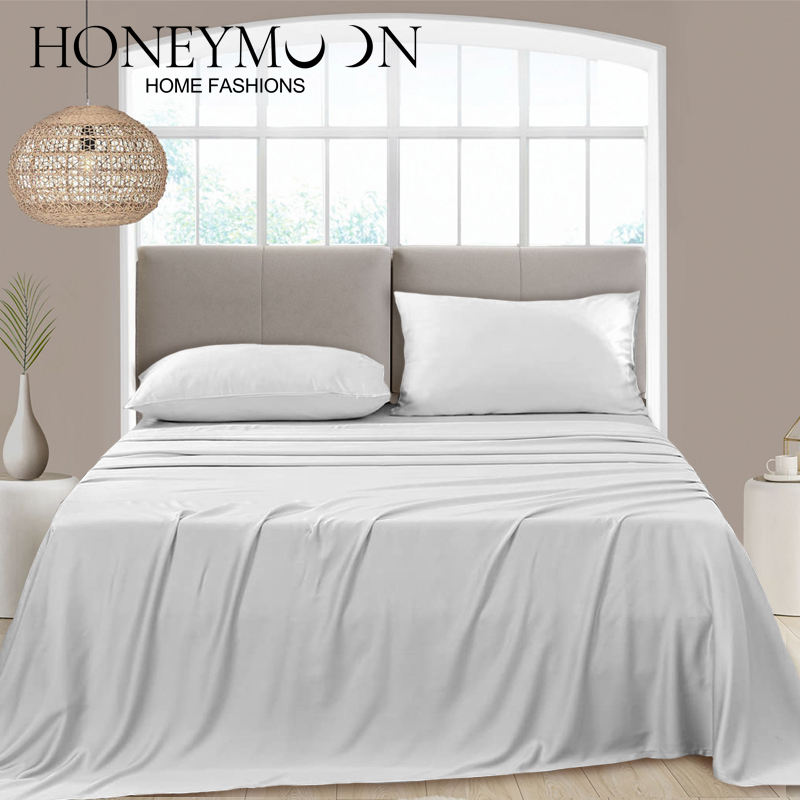
How to Accurately Measure and Define Deep Pocket Requirements
What Does 'Deep Pocket' Mean for Fitted Sheets?
Deep pocket fitted sheets are made for mattresses that are at least 15 inches tall, which is way deeper than regular ones that only go down to about 7 to 12 inches. The extra room really helps stop those annoying slip issues that people complain about all the time. According to the Sleep Foundation from 2023, around 7 out of 10 folks say slipping is their biggest headache with bedding. When measuring for these sheets, don't forget to check the mattress thickness plus whatever padding or topper might be on top. A lot of folks miss this step, and it turns out that about 40% of sheets end up failing early because someone forgot to account for everything properly.
Step-by-Step Guide to Measuring Your Mattress Depth Correctly
Follow these steps for reliable results:
- Clear the surface: Remove all bedding to expose the bare mattress.
- Measure vertically: Place a tape measure at the base and extend it straight up to the highest point—without compressing the surface.
- Check multiple points: Mattresses settle unevenly; measure the center and all four corners.
- Add topper depth: Include any mattress pad, topper, or pillow-top layer in your total.
- Add margin: Choose sheets with pockets 2–4 inches deeper than your final measurement to accommodate nightly movement and fabric stretch loss over time.
| Measurement Factor | Impact on Fit | Common Mistake |
|---|---|---|
| Mattress-only height | Base depth requirement | Ignoring toppers (+2–6³) |
| Corner vs. center depth | Reveals uneven wear | Measuring only one location |
| Elastic stretch capacity | Determines secure fit on thick edges | Prioritizing thread count |
Top Material Choices for Deep Pocket Fitted Sheets
Cotton, Bamboo, and Microfiber: Strengths and Trade-offs for Deep Fit
What kind of fabric we choose really makes a difference when it comes to how well deep pocket mattress covers perform. Cotton is great because it lets air through and lasts a long time, which is why many people who get hot while sleeping reach for it. But most cotton fabrics need some elastic mixed in (usually around 3 to 8 percent) so they can stretch properly. Bamboo based viscose fabric actually wicks away sweat better than regular cotton does, taking in about forty percent more moisture from the air. Plus, it naturally stretches out to fit snugly around thicker mattress profiles without needing extra additives. Microfiber made from polyester and nylon mixtures gives us lots of stretch and stays smooth even after multiple washes, plus it doesn't cost too much money. However, these synthetic materials don't breathe as well as natural ones do. When looking at mattresses taller than fifteen inches thick, shoppers should pay attention not only to what material is used but also whether the cover has four way stretch properties and strong reinforced stitching along all edges. This helps keep everything from slipping down into corners over time.
Why Thread Count Alone Doesn’t Guarantee Fit—Focus on Weave and Stretch
Thread count is a poor predictor of deep-pocket performance. A 600-thread-count sateen may feel luxe but resist stretching, while a 300-thread-count percale with 5–8% spandex reliably fits 18-inch mattresses. What matters most is how the fabric moves:
- Twill or jersey knits deliver high elasticity, supporting depths up to 22 inches
- Brushed finishes increase friction against memory foam or toppers
-
Gusseted corners add functional depth without straining seams
Independent lab testing confirms stretch retention contributes three times more to long-term fit than thread count alone.
Elastic Engineering: What Makes a Deep Pocket Fitted Sheet Stay Put?
Full-Perimeter vs. Corner-Only Elastic: Grip Performance on Thick Mattresses
What makes sheets stay put? The secret lies in how the elastic is designed. With full perimeter elastic running all the way around the sheet's edge, it creates even tension across every side of thick mattresses. This really matters because when sheets lift up in the middle of the edge, that's where most problems happen with regular corner-only designs. Regular elastic just focuses on those four corners, which means the long edges can easily slip off especially when dealing with mattresses thicker than 15 inches. The difference is night and day between these two approaches.
| Feature | Full-Perimeter Elastic | Corner-Only Elastic |
|---|---|---|
| Grip Distribution | Even tension along all edges | Concentrated at corners |
| Slippage Risk | 22% lower on >16" mattresses | High on mattress sides |
| Installation Ease | Moderate | Easier |
| Durability | Lasts 2.3× longer under stress | Prone to premature stretching |
Lab tests show full-perimeter elastic withstands 40% more pull force before dislodging—making it essential for pillow-top or memory foam mattresses that compress under body weight.
Reinforced Elastic Bands and Dual-Layer Corners for Long-Term Retention
Reinforced elastic—woven with latex or high-grade spandex cores—retains 90% of its original tension after 50 wash cycles, unlike standard elastic that degrades rapidly. Dual-layer corners add structural reinforcement where stress peaks, distributing mechanical load away from stitch lines and preventing tears. Together, these features:
- Support mattress depths up to 22 inches
- Reduce corner “riding up†by 67% versus single-layer designs
- Ensure consistent anchoring through nightly movement
Premium deep-pocket sheets integrate both reinforced elastic and dual-layer corners with precise depth specifications—not as optional upgrades, but as foundational engineering requirements.
Real-World Fit Validation: Testing Deep Pocket Fitted Sheets on High-Profile Beds
The hospitality world really puts bedding to the test. Take those fancy hotel beds for instance they're typically over 18 inches tall when all the layers are added up thick mattress, pillow top, maybe even a plush topper on top of that. According to industry tests, sheets with elastic all around the edges plus double layered corners stay put through hundreds of guest changes every night, so there's no annoying slipping or shifting during sleep. Corner only elastic just doesn't cut it though. Data from Textile Durability Benchmark last year showed these basic designs fail about 73% more often on mattresses thicker than 16 inches. Look at top rated hotels across the country, they've figured out what works best. Getting accurate measurements from the bottom of the mattress right up to where it stops compressing naturally, paired with specially designed stretchy materials, keeps sheets from forming those pesky tent like bulges we all know too well. Bottom line? If sheets aren't going to stay tight but still allow comfortable movement throughout the night, then something's definitely wrong with either the depth of the sheet pocket or how well the elastic holds up after repeated washing.
FAQ
What is the benefit of deep pocket fitted sheets? Deep pocket fitted sheets are designed to accommodate mattresses that are at least 15 inches thick, reducing slippage issues and offering a secure fit.
How do I measure my mattress for deep pocket sheets? Remove all bedding, measure vertically from base to top, check multiple points, include topper depth, and choose sheets with pockets 2-4 inches deeper than your measurements.
Does thread count affect the fit of deep pocket sheets? Thread count is not a reliable predictor of sheet fit for deep pockets. Weave and elasticity of the fabric are more crucial for ensuring proper fit on thick mattresses.
Why are reinforced elastic bands important for deep pocket sheets? Reinforced elastic bands improve grip and durability, retaining tension better than standard elastic, particularly after multiple wash cycles.